

Fried eggs are easy, comforting, and versatile. I eat them daily! With a pan, a little fat, and a couple of eggs, you can create countless textures and flavors.

This recipe was easy for me to write because I literally eat fried eggs every single day. They are easier than omelettes, and I love how customizable they are! They can be crispy, creamy, runny, or firm, and each style has its own charm. Whether you flip them or leave them sunny, you can shape their flavor and texture with simple adjustments.
Ingredients
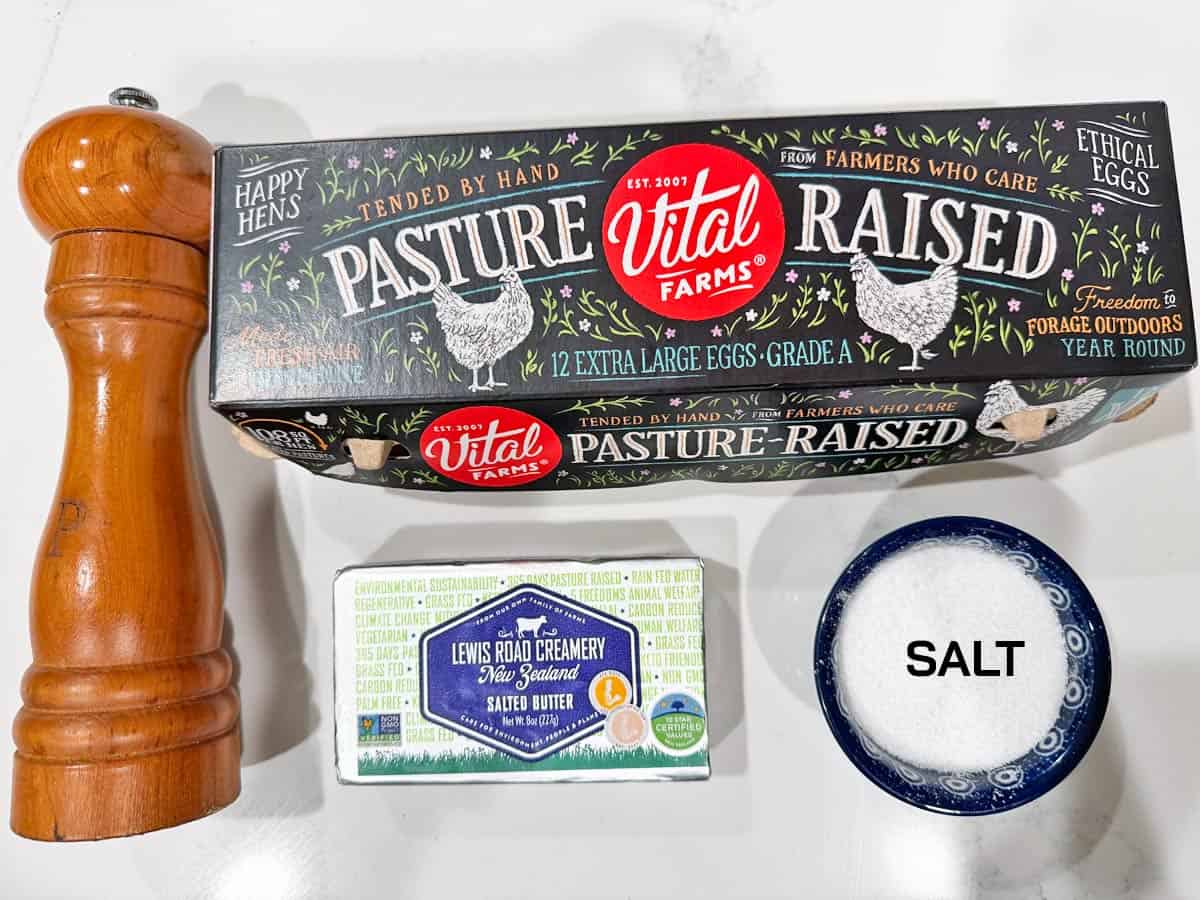
See the recipe card for exact measurements. Here are my comments on the ingredients.
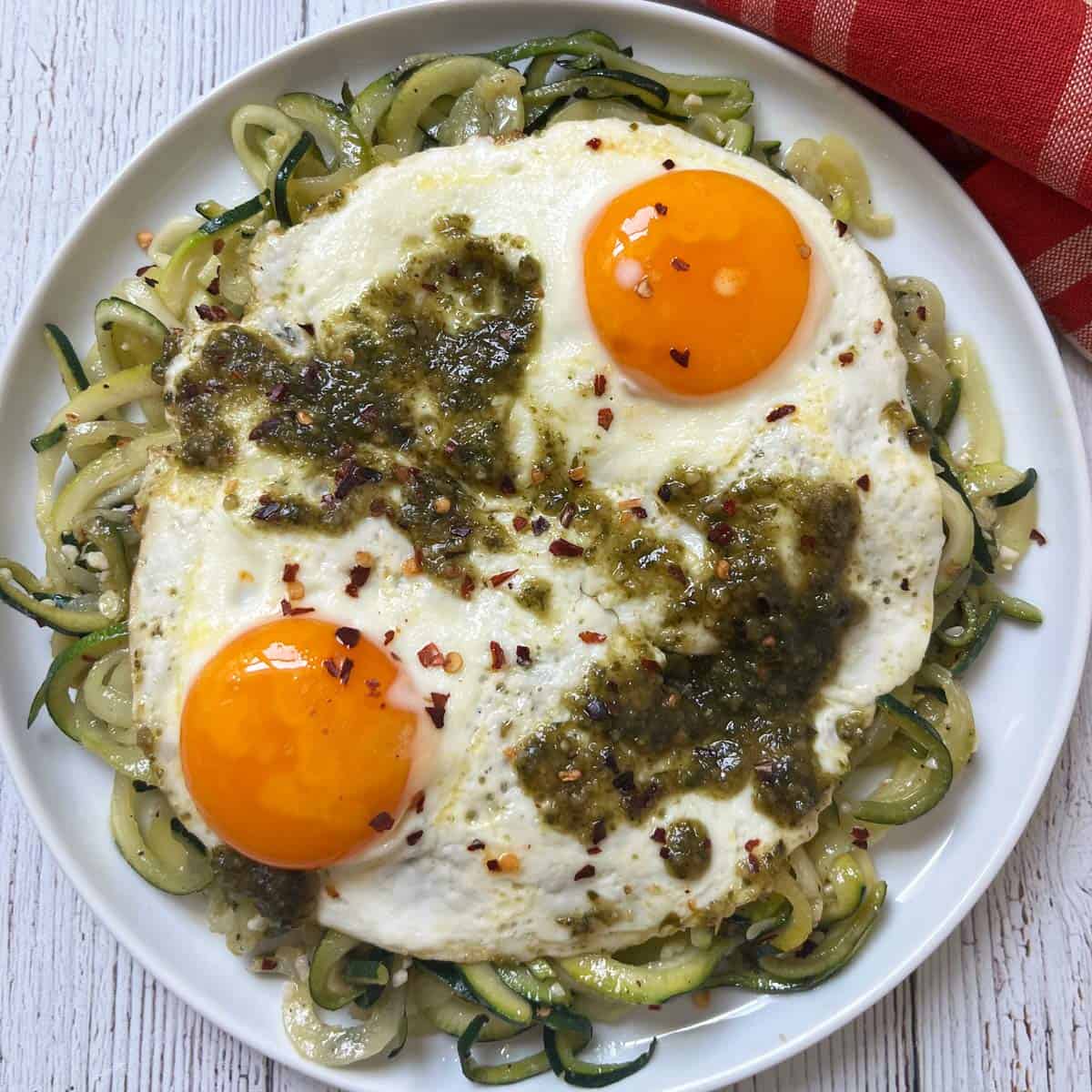
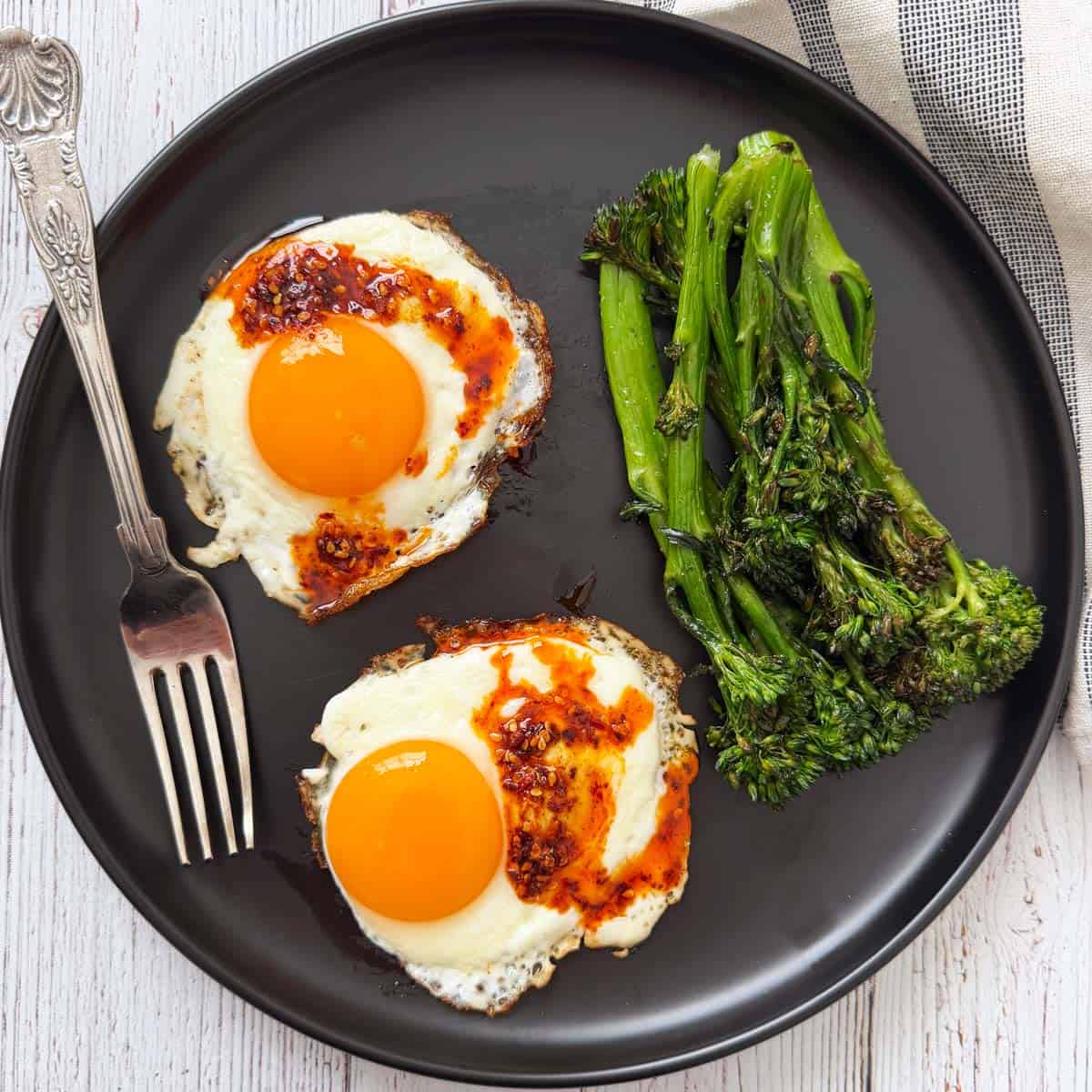
- Cooking fat: I typically use butter. Other great options include olive oil, pesto sauce, and chili oil.
- Eggs: I use large or extra-large eggs and try to use pastured eggs - I love their rich yolks.
- To season: I season the eggs simply, with salt and pepper.
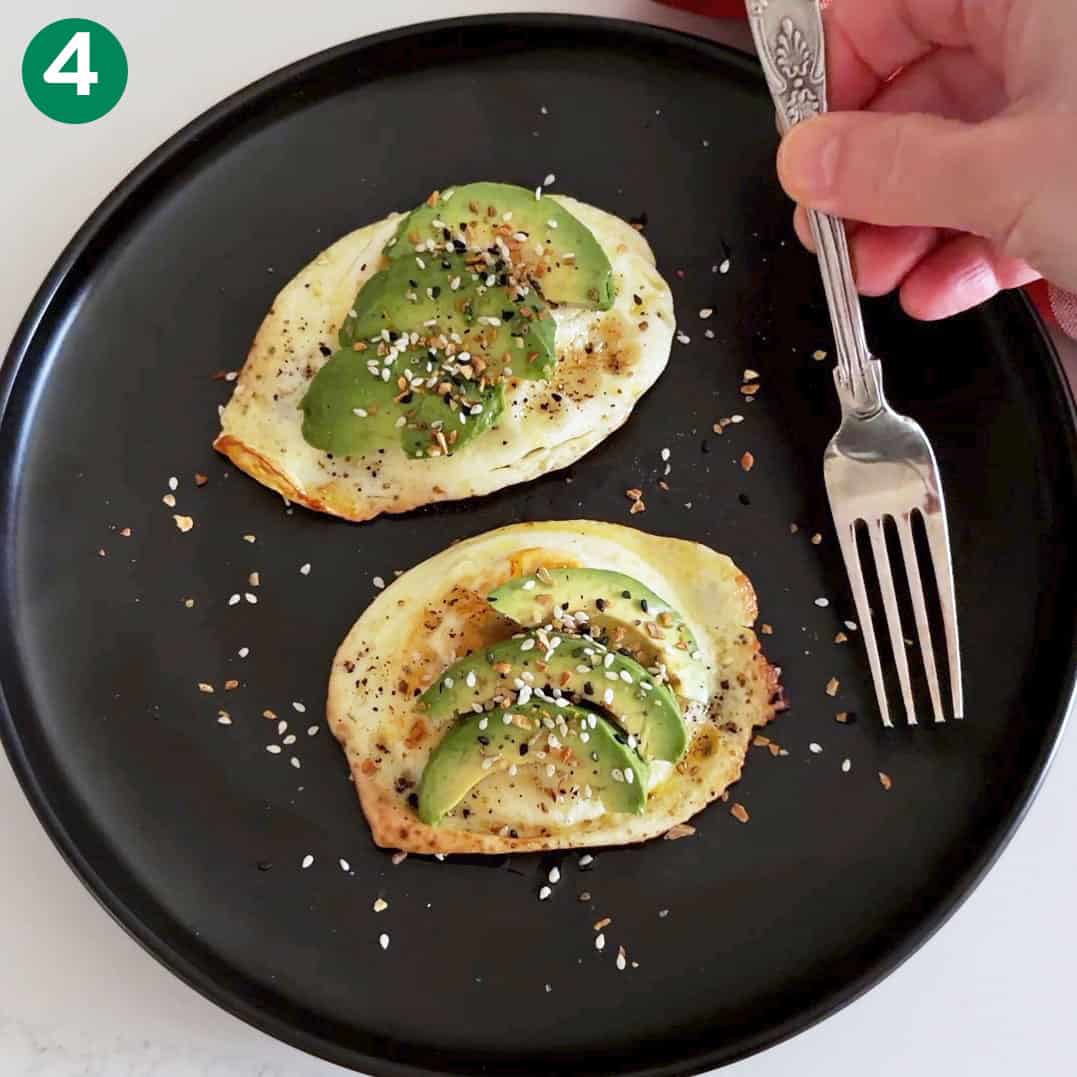
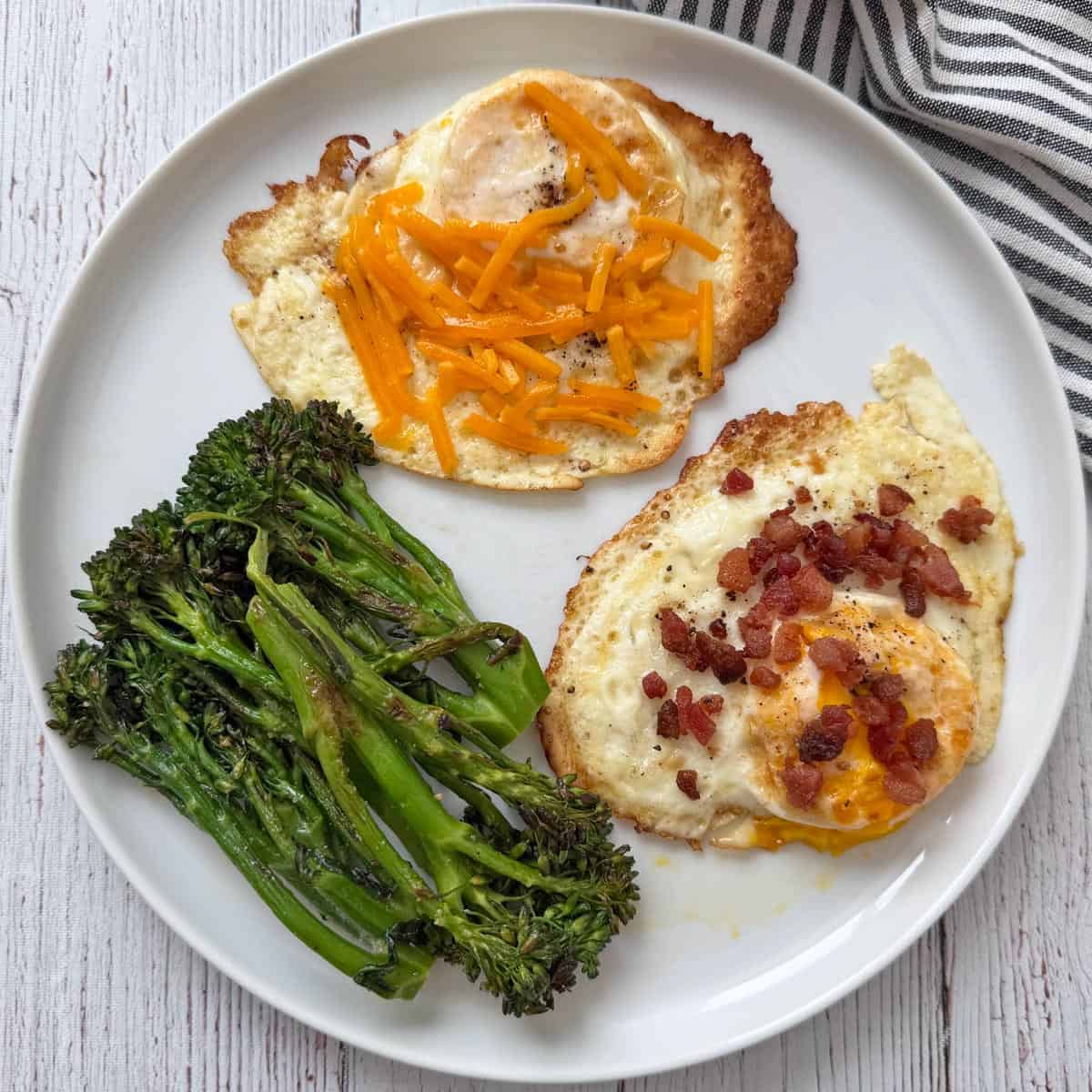
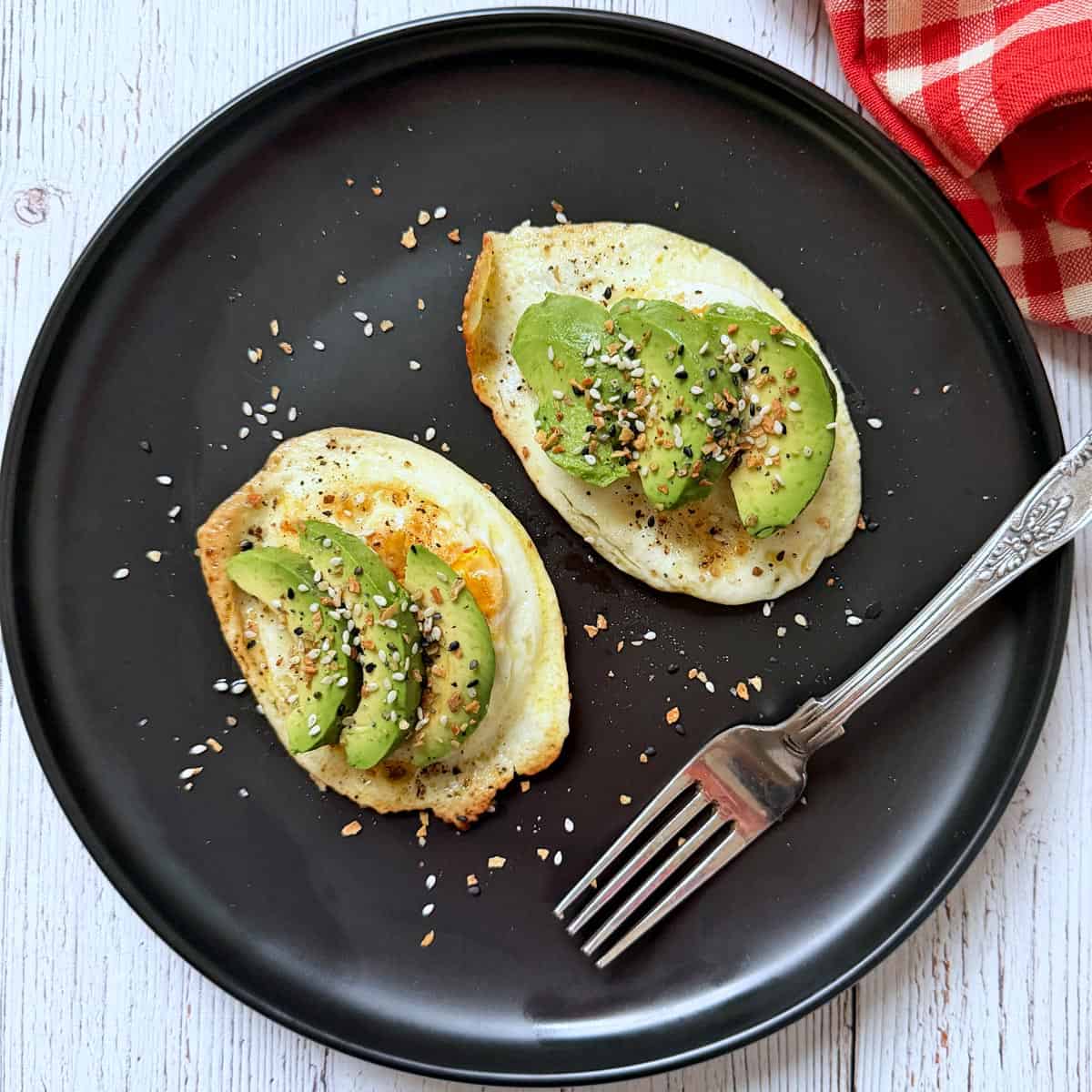
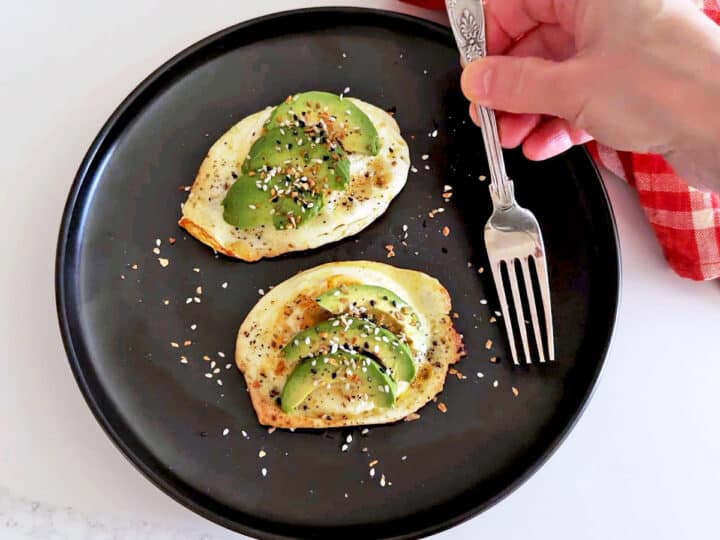
- Optional Toppings: Grated cheese, bacon bits, bagel seasoning, and/or avocado.
Instructions
The detailed instructions and step-by-step photos are included in the recipe card. Here's a quick overview.
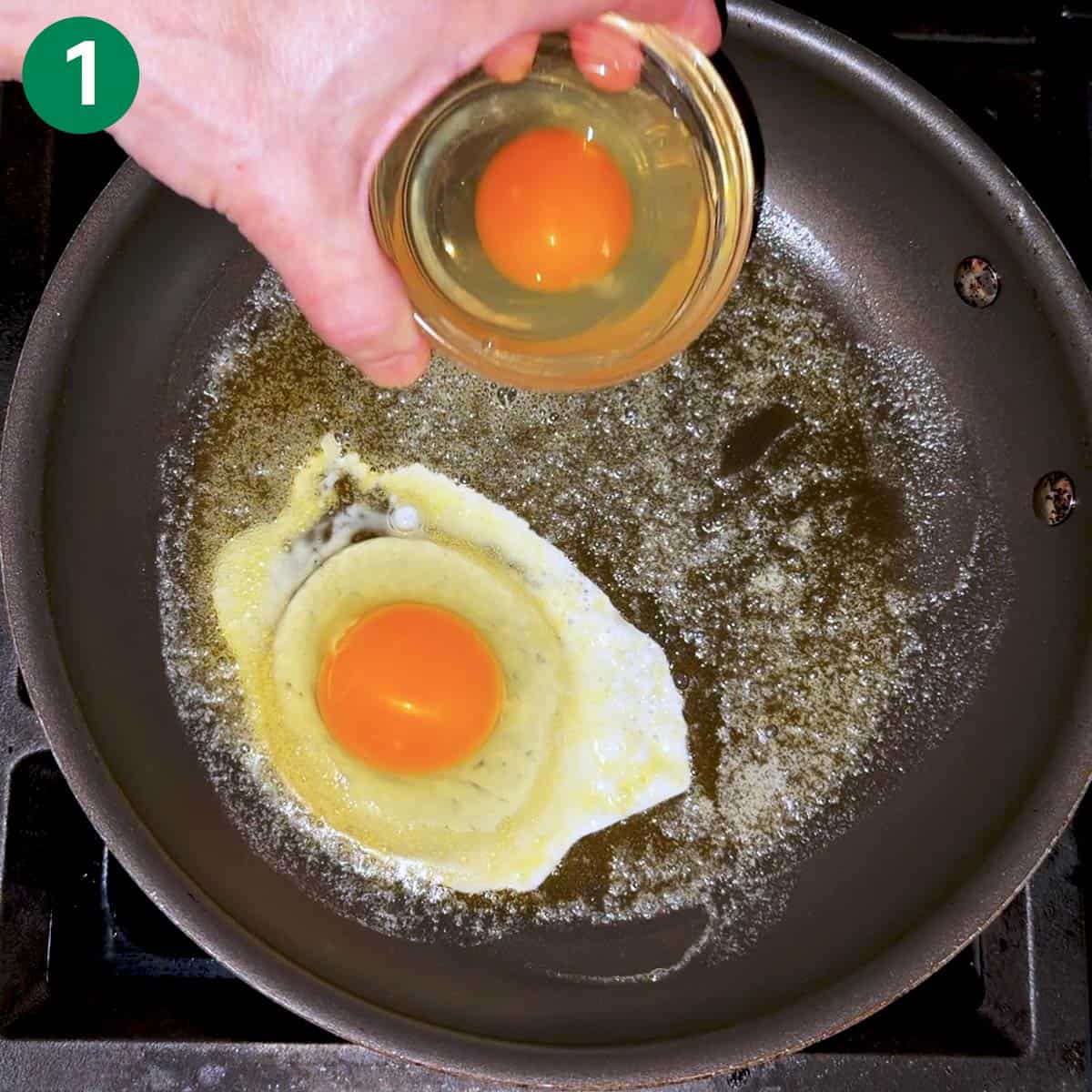
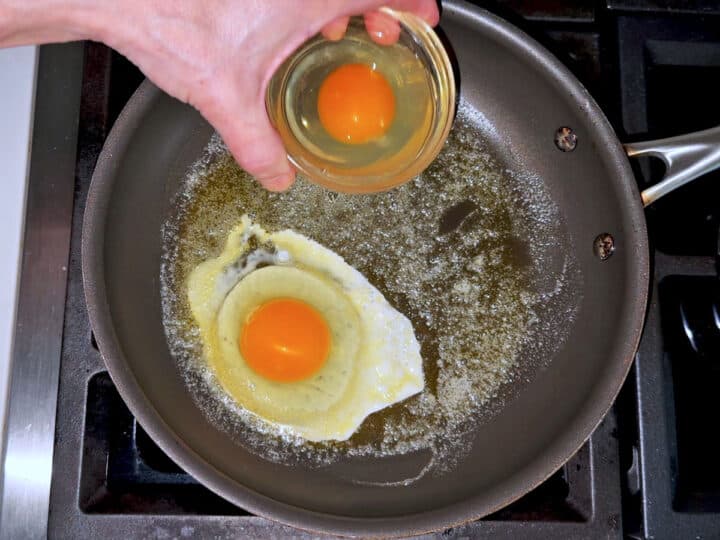
- Heat the fat in a 10-inch nonstick skillet over medium heat. Crack each egg into a small bowl, then slide it gently into the pan.
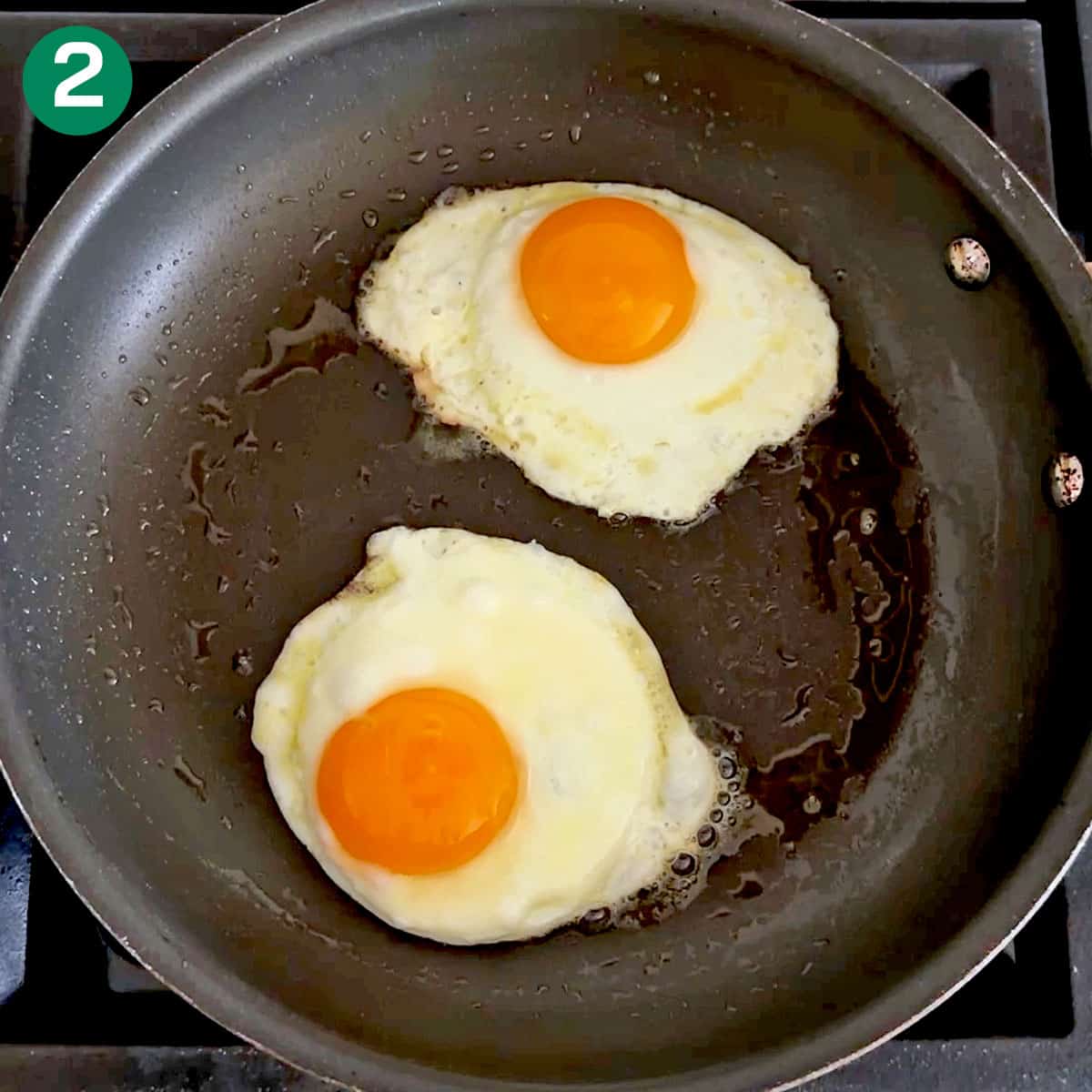
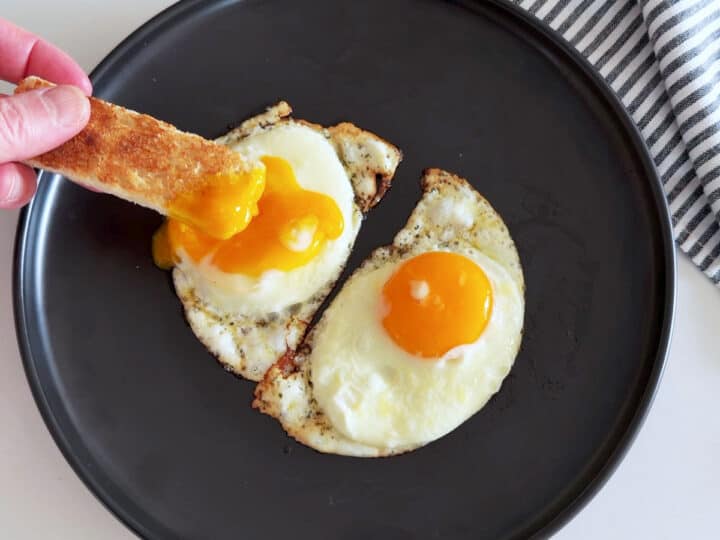
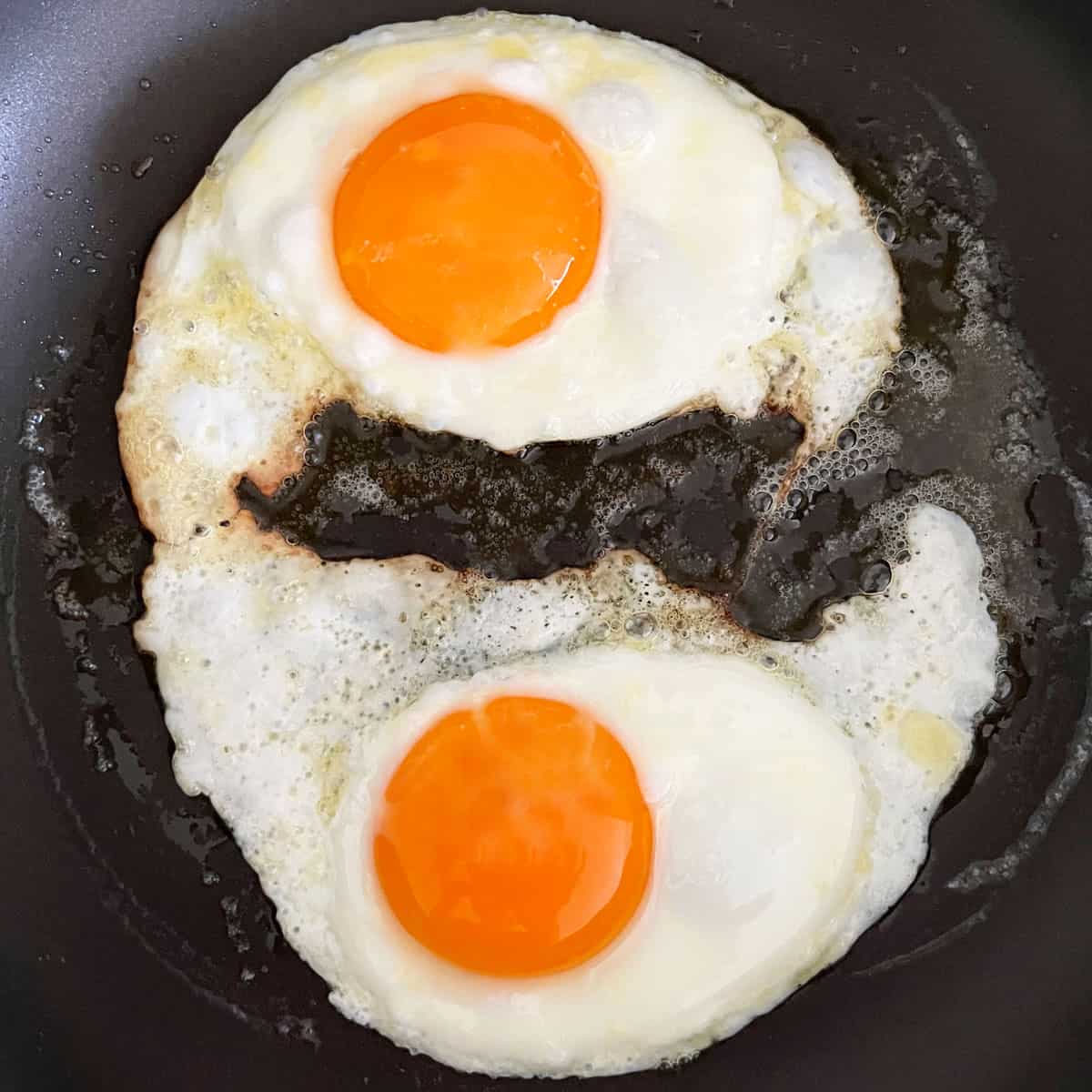
- For sunny-side up, cook undisturbed until the whites are set and the yolks are runny. This usually takes around 4 minutes over medium heat.
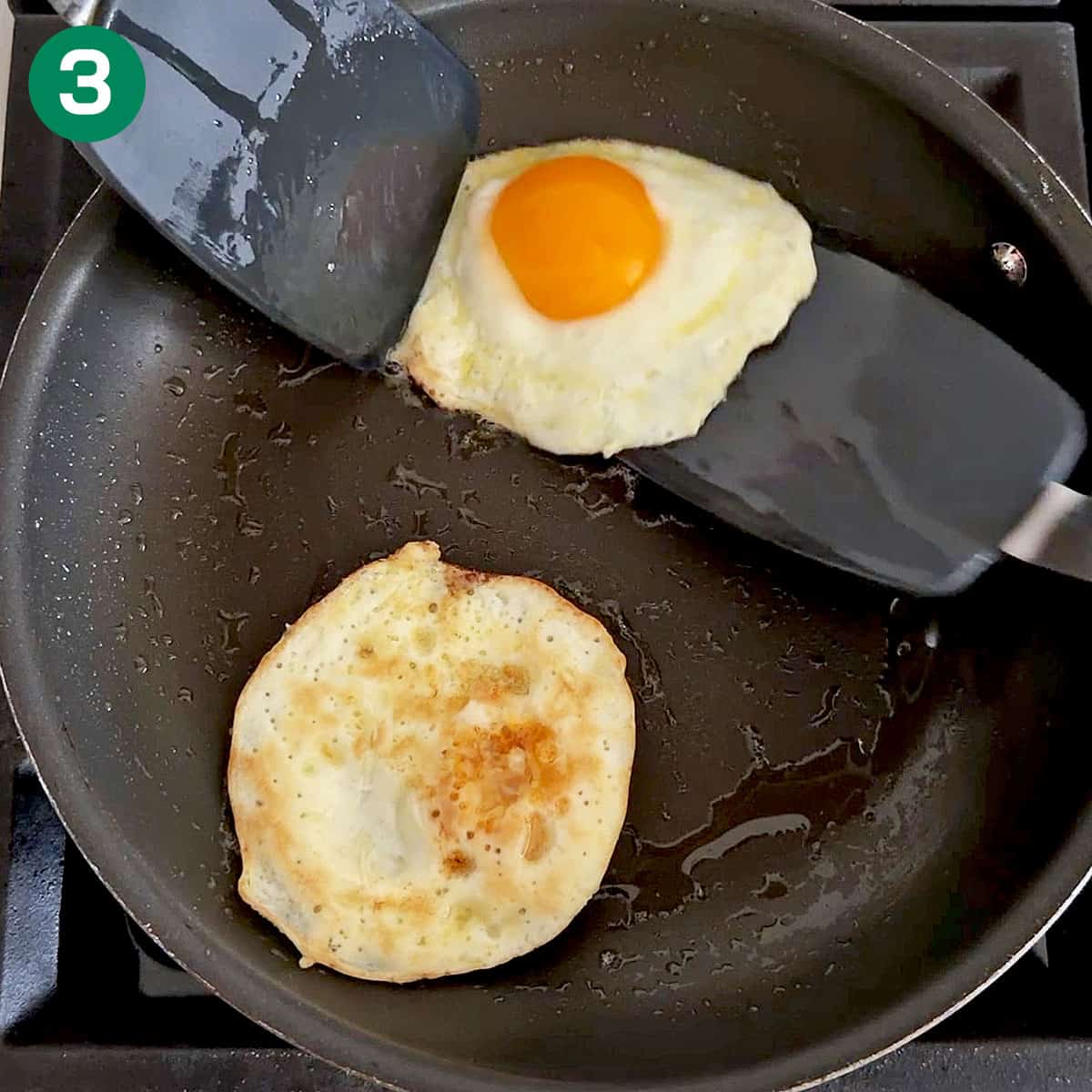
- For over-easy, medium, or hard, once the whites are set, flip carefully and cook until the yolks reach your preferred doneness.
- Transfer the eggs to a plate, season with salt and pepper, and add toppings (if desired) while the eggs are still hot (especially if adding cheese). Serve immediately.
Choose Your Texture
Crispy vs Creamy
Fried eggs become crispy when the pan is hot and the fat is shimmering. The whites bubble, creating crunchy, lacy edges. For creamy fried eggs, cook at low heat and use a generous amount of fat. This keeps the whites soft and gently cooked.

Sunny Side Up vs Over Easy/Medium/Hard
- Sunny Side Up: The yolk remains runny, with firm whites. No flipping.
- Over Easy: Flip the eggs and cook just long enough to lightly set the yolk, leaving it runny.
- Over Medium: Flip and cook until the yolk is partially set, becoming jammy rather than runny.
- Over Hard: The whites and yolks are fully cooked through, with a firm center. Flip more than once if needed until you achieve your desired consistency.
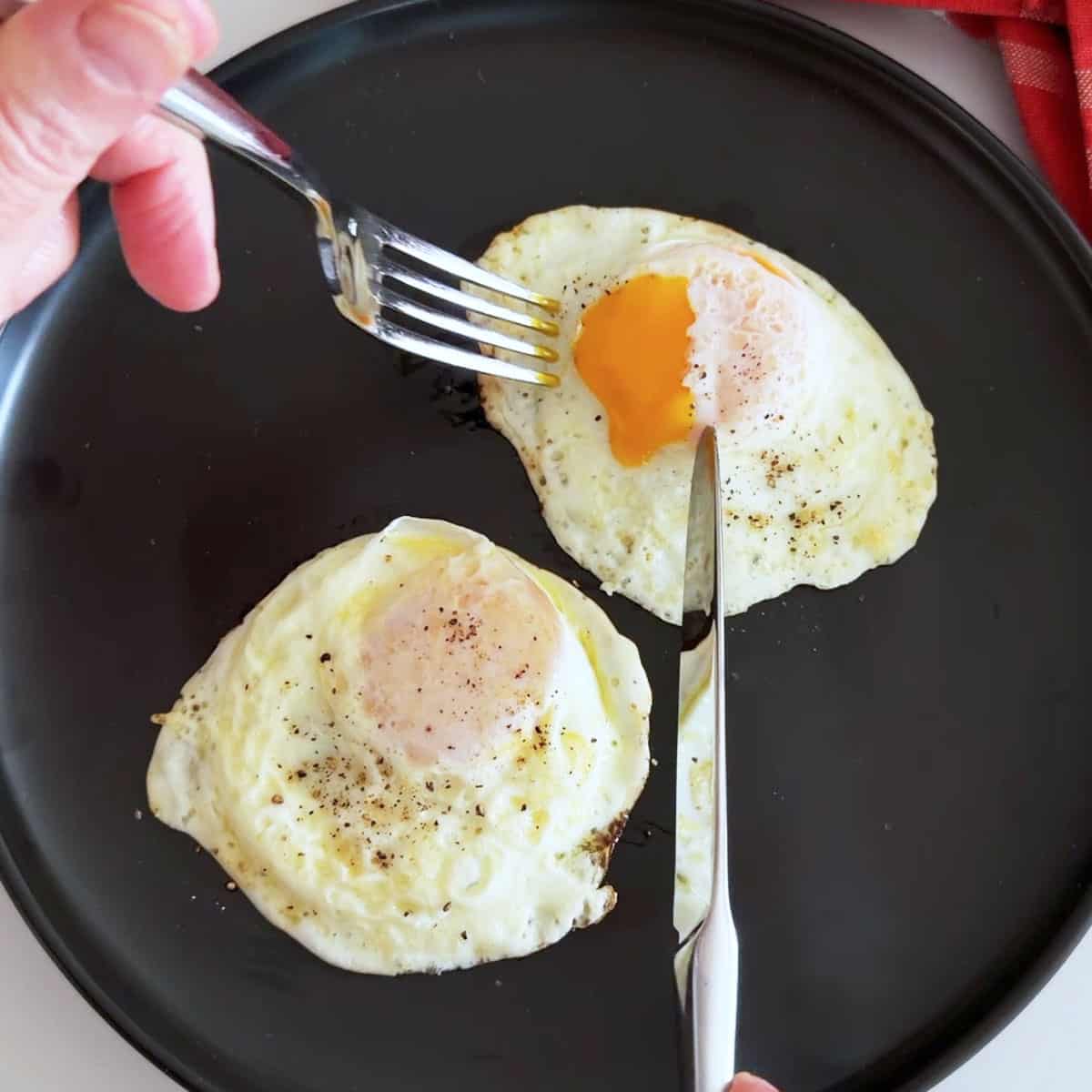
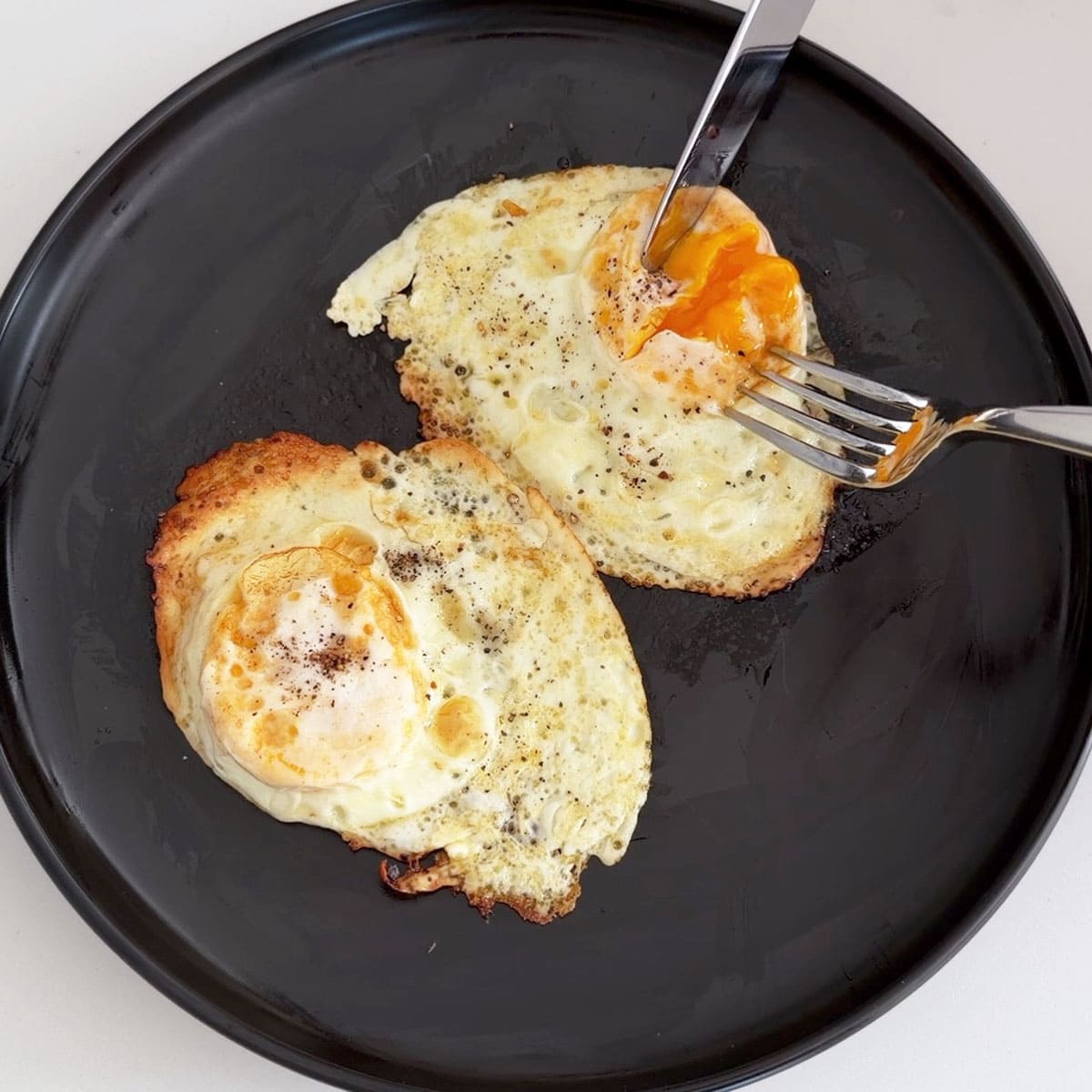
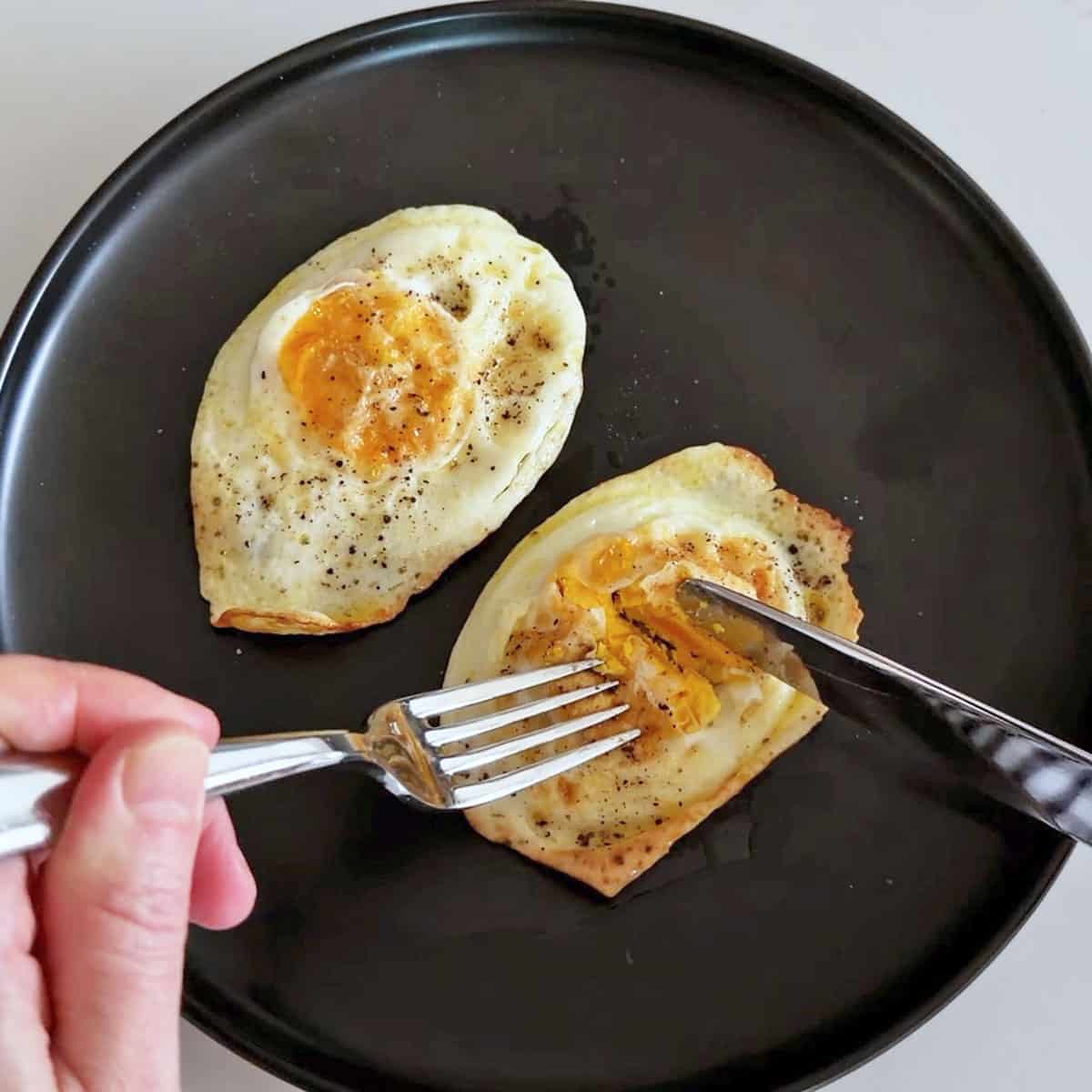
Just like with crispy vs. creamy, this is a matter of personal taste. In my small family of four, my husband likes his eggs over-hard, my older daughter likes the yolks jammy, and my younger daughter and I prefer sunny-side up.
Choose Your Flavor
Choice of Fat
Butter brings nutty richness as it browns, caramelizing the edges. Extra-virgin olive oil has a clean, fresh flavor. Frying eggs in pesto adds savory, aromatic depth, while chili oil gives them a bold, spicy kick (but can release chili fumes, so avoid it if you're sensitive).
Optional Toppings
Shredded cheese melts into the hot eggs, adding flavor and richness. Cheddar adds savory sharpness, while feta and goat cheese add saltiness and tang. Bacon bits add crunch and smokiness. Other tasty options include sliced avocados and bagel seasoning.
Recipe Tips
- I love writing precise recipes, but this is one where you'll need to rely on visual cues more than on exact timing. The same egg can cook faster or slower depending on the pan (especially its thickness) and how hot your stove runs. For example, electric stoves usually run hotter than gas ones.
- Unlike hard-boiled eggs, where I recommend using older eggs (they are easier to peel), fresh eggs are best for frying because they stay compact in the pan, giving you a better-looking egg. Older eggs are fine, but their whites are looser and spread out more.
- Be patient: Eggs naturally release from the pan when their bottoms are cooked. Forcing a spatula underneath too early can tear the whites.
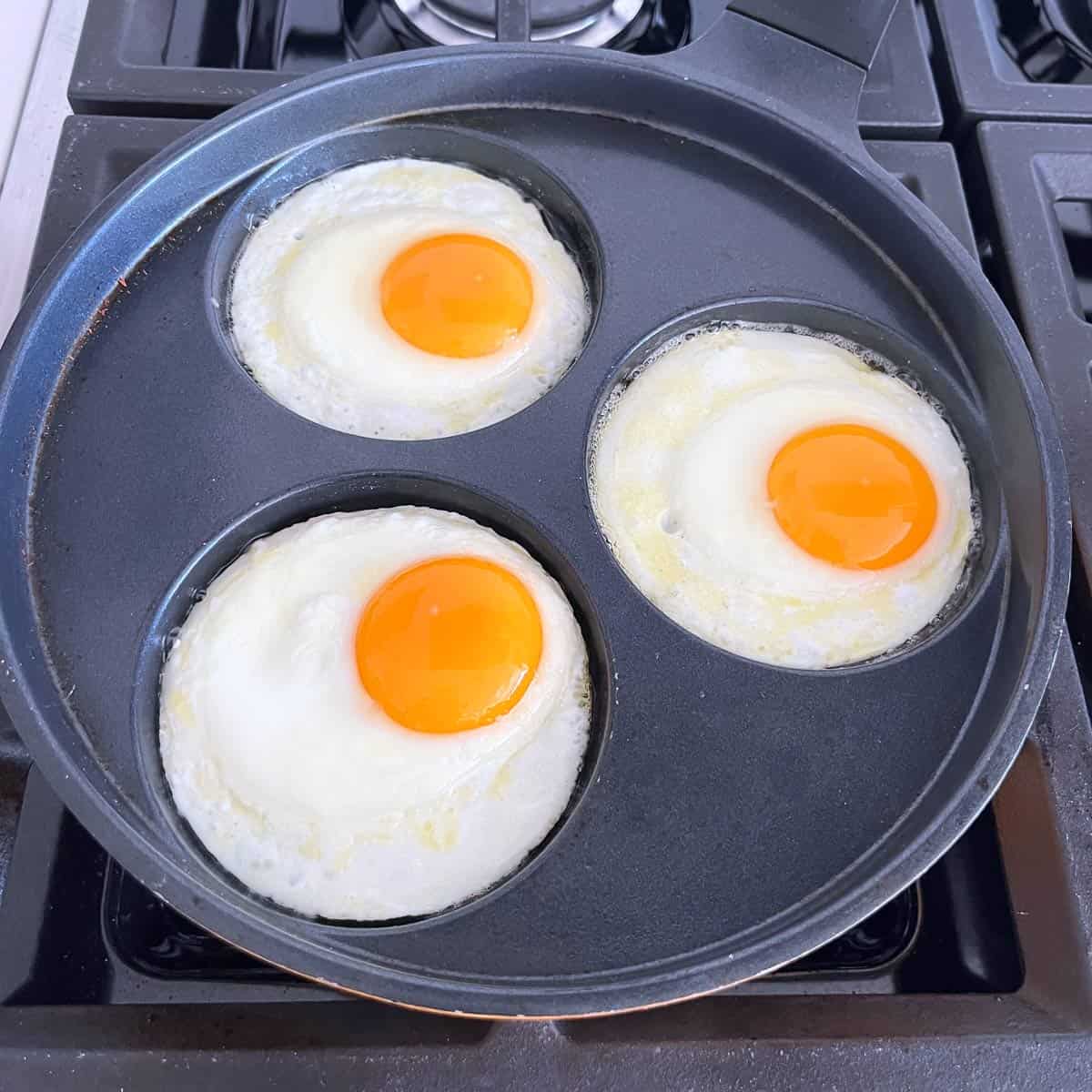
- If you'd like to make pretty round eggs like the ones shown below, use a nonstick egg frying pan.
Recipe FAQs
Use a truly nonstick skillet. These skillets' coating wears out quickly, so it's best (in my opinion) to buy cheaper skillets and replace them often than to buy expensive ones and try to hang on to them for years. I replace mine annually.
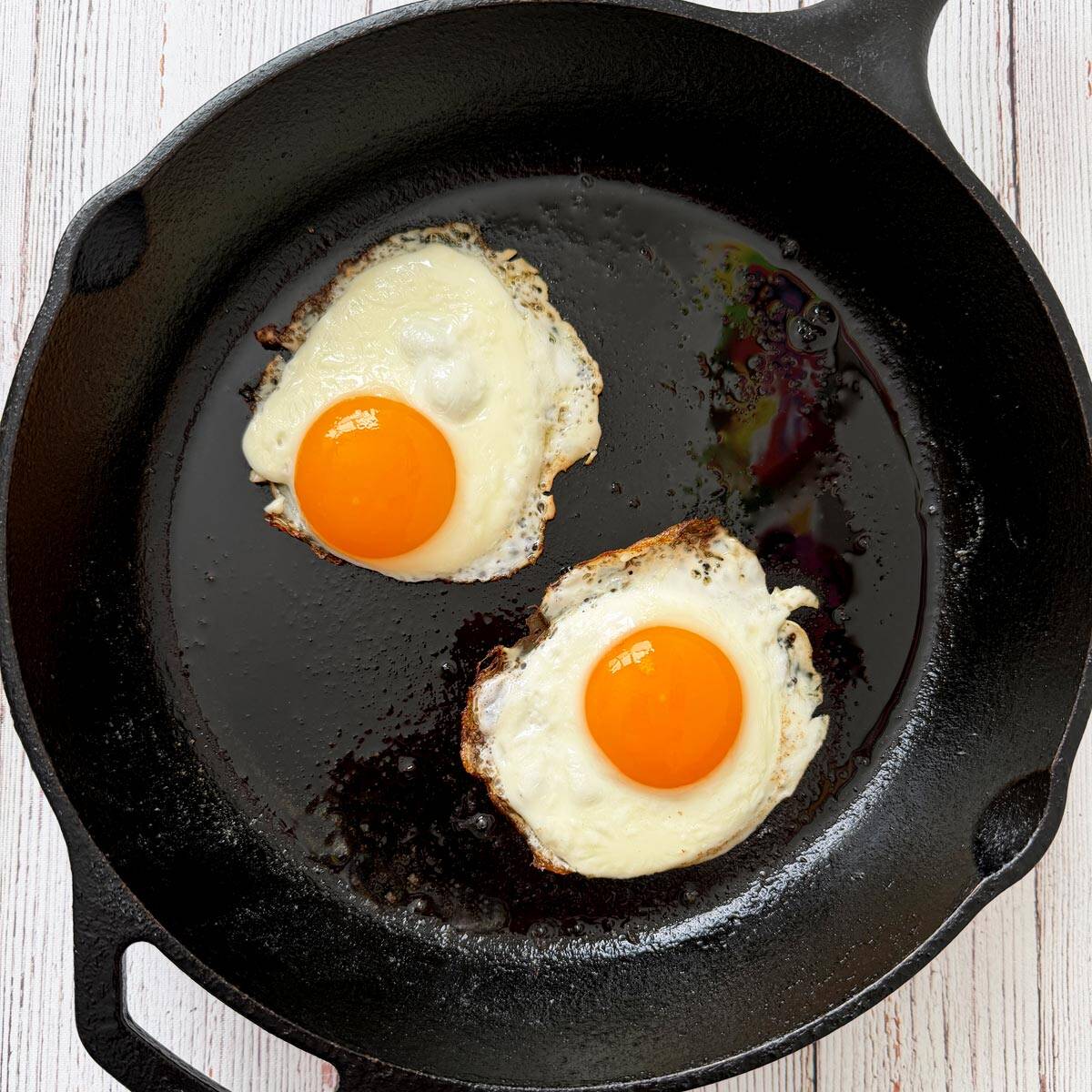
Yes, if it's well-seasoned. But it's trickier than using a nonstick pan. With a cast-iron skillet, you'll need to add more fat (butter is best at preventing sticking) and make sure the pan is fully and evenly heated - but not overheated - before adding the eggs.
The photo below shows me cooking eggs in a cast-iron skillet. They turned out nice and crispy, thanks to the pan's superb heat retention. 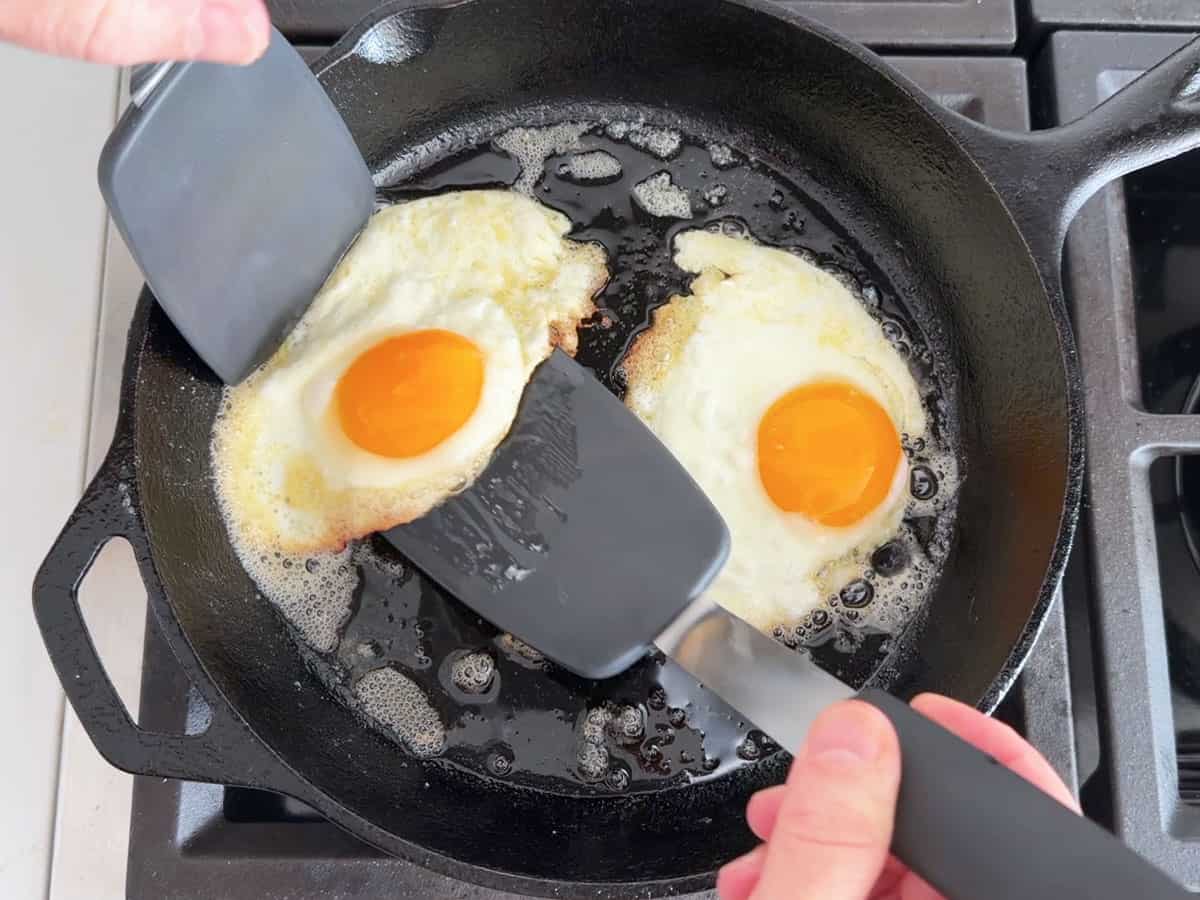
This usually happens when you crack the eggs directly into the skillet or use too much force when flipping. It can also happen when the eggs have very thin shells, and you inadvertently use too much force to crack them open.
You can if the eggs were cooked over-medium or over-hard, but their texture is best when freshly cooked. Place the cooled eggs in an airtight container and refrigerate for up to two days. Reheat them gently in butter in a covered skillet over low heat to avoid rubbery whites.
Serving Suggestions
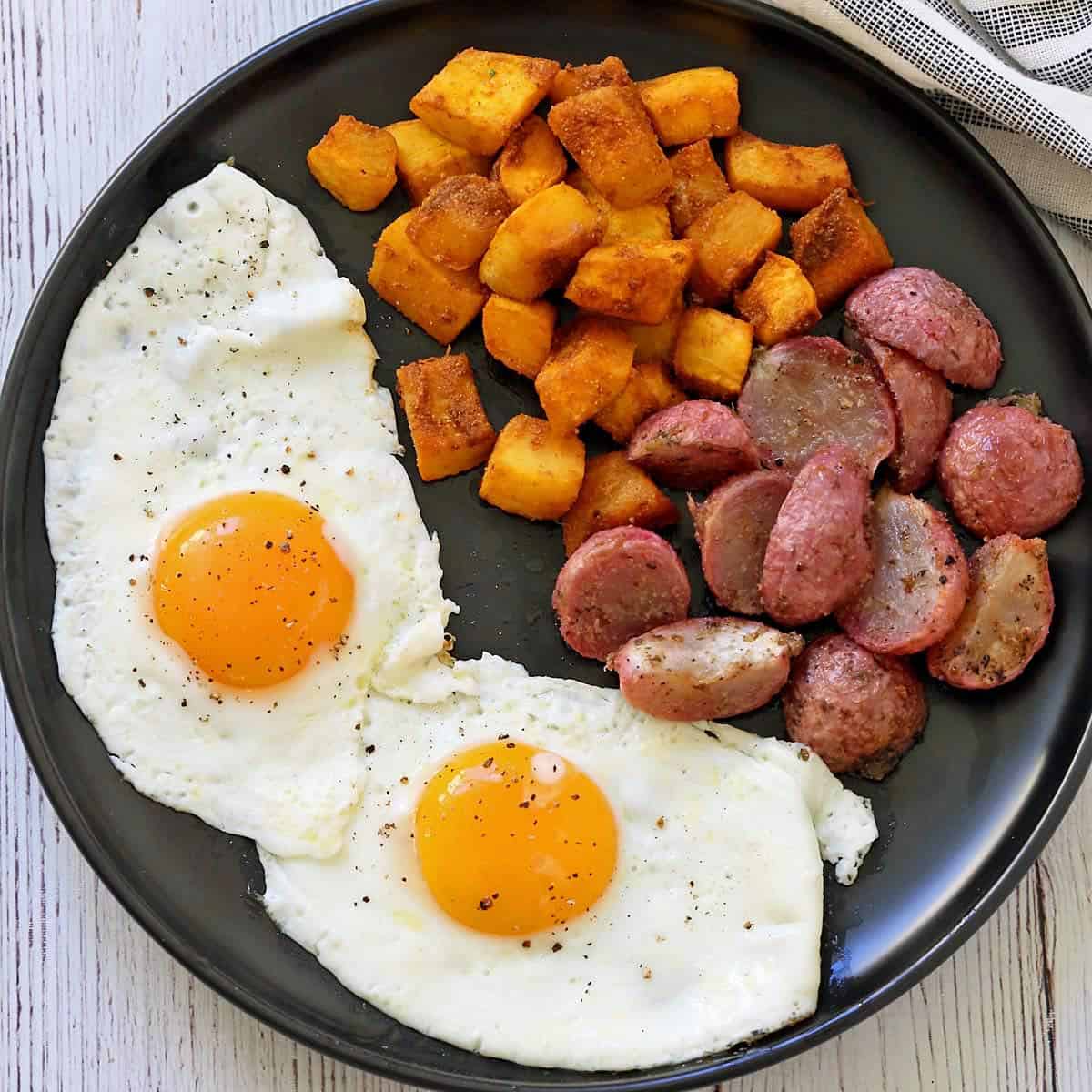
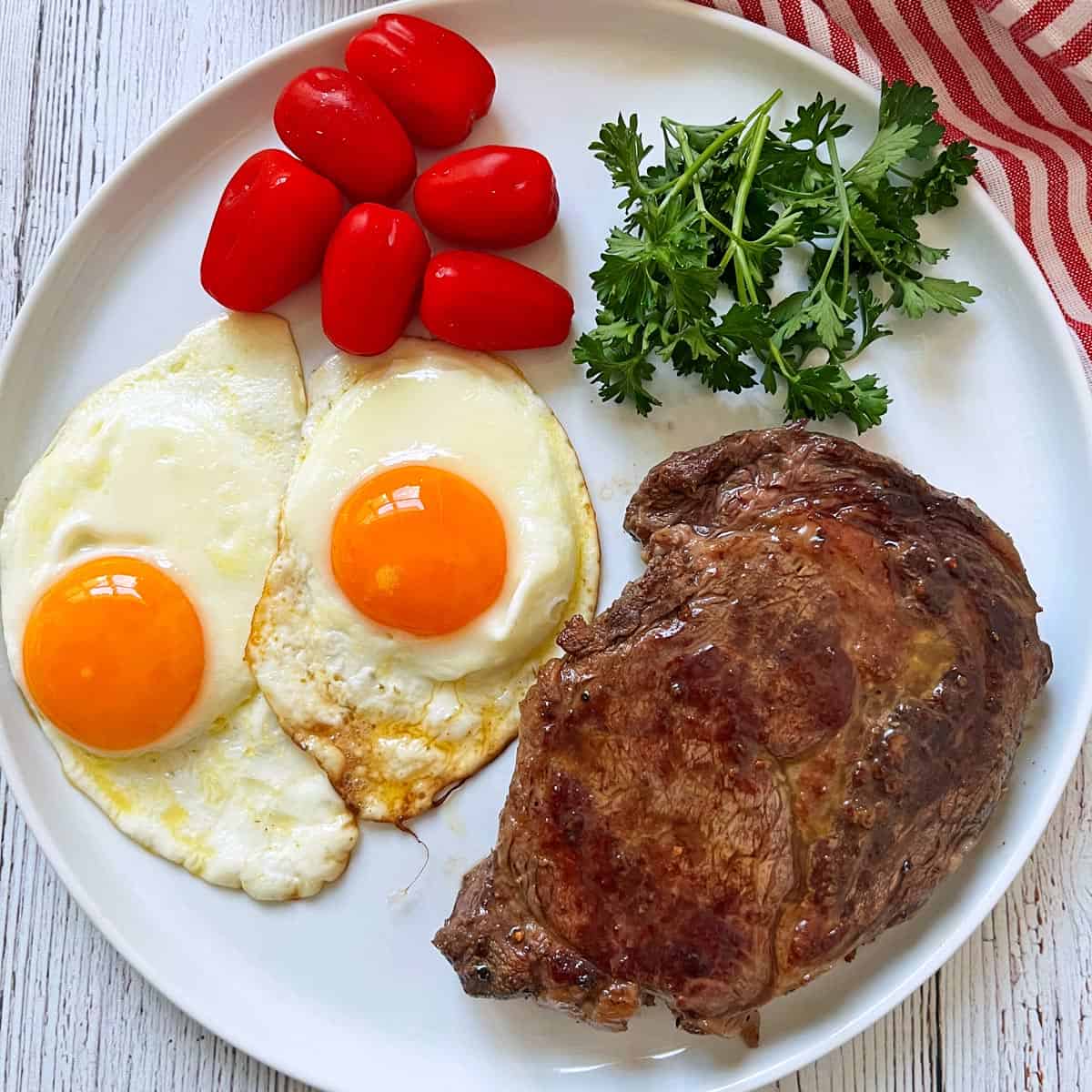
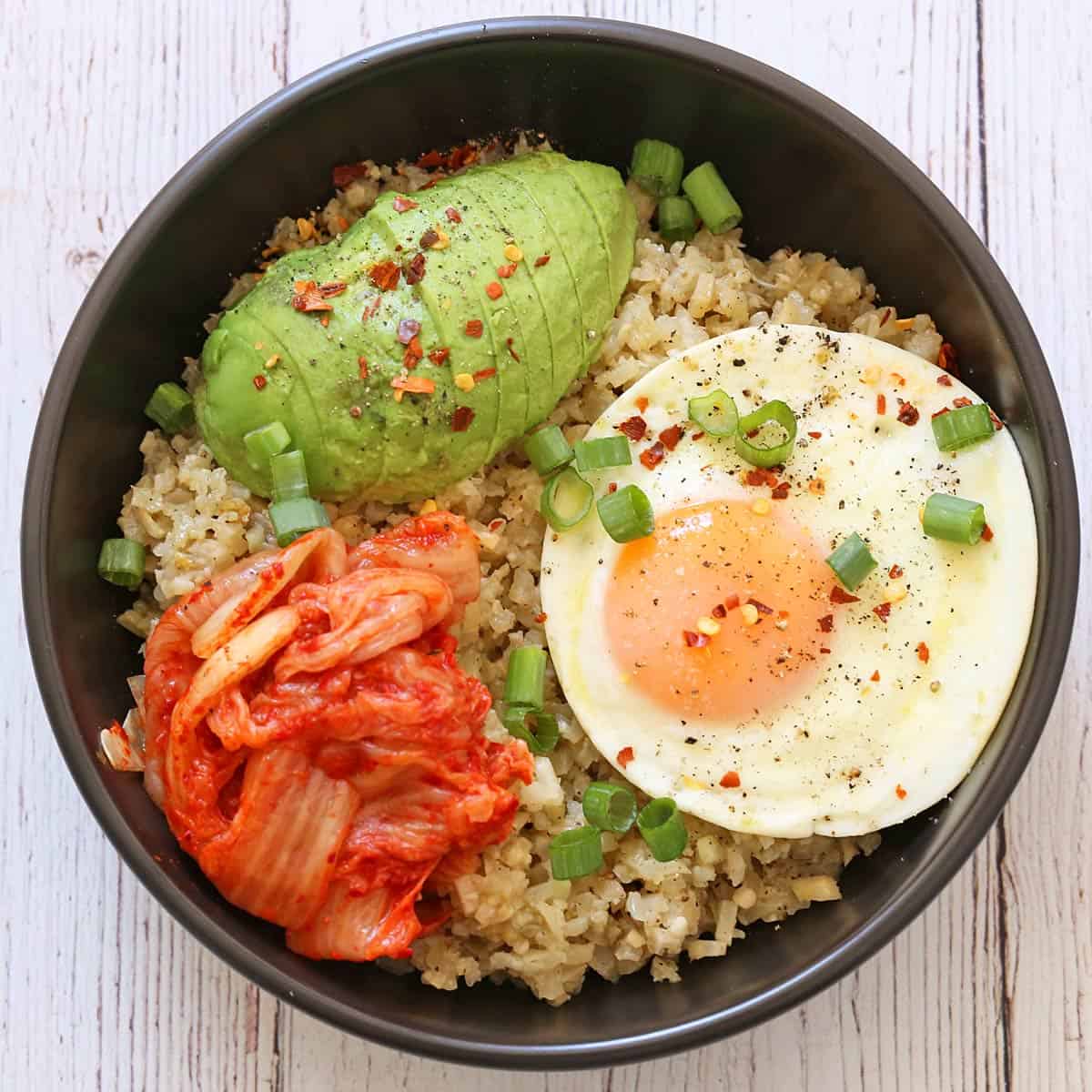
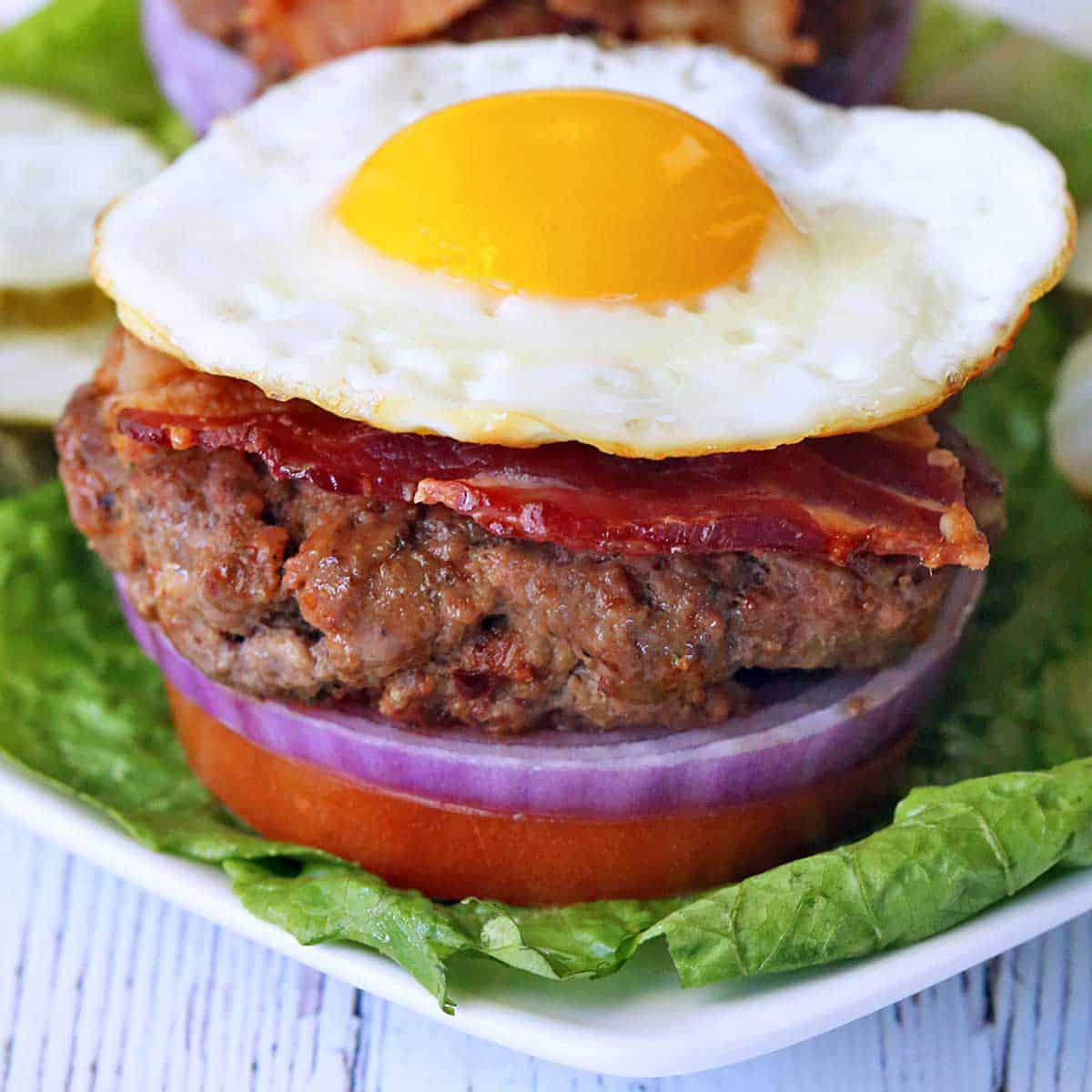
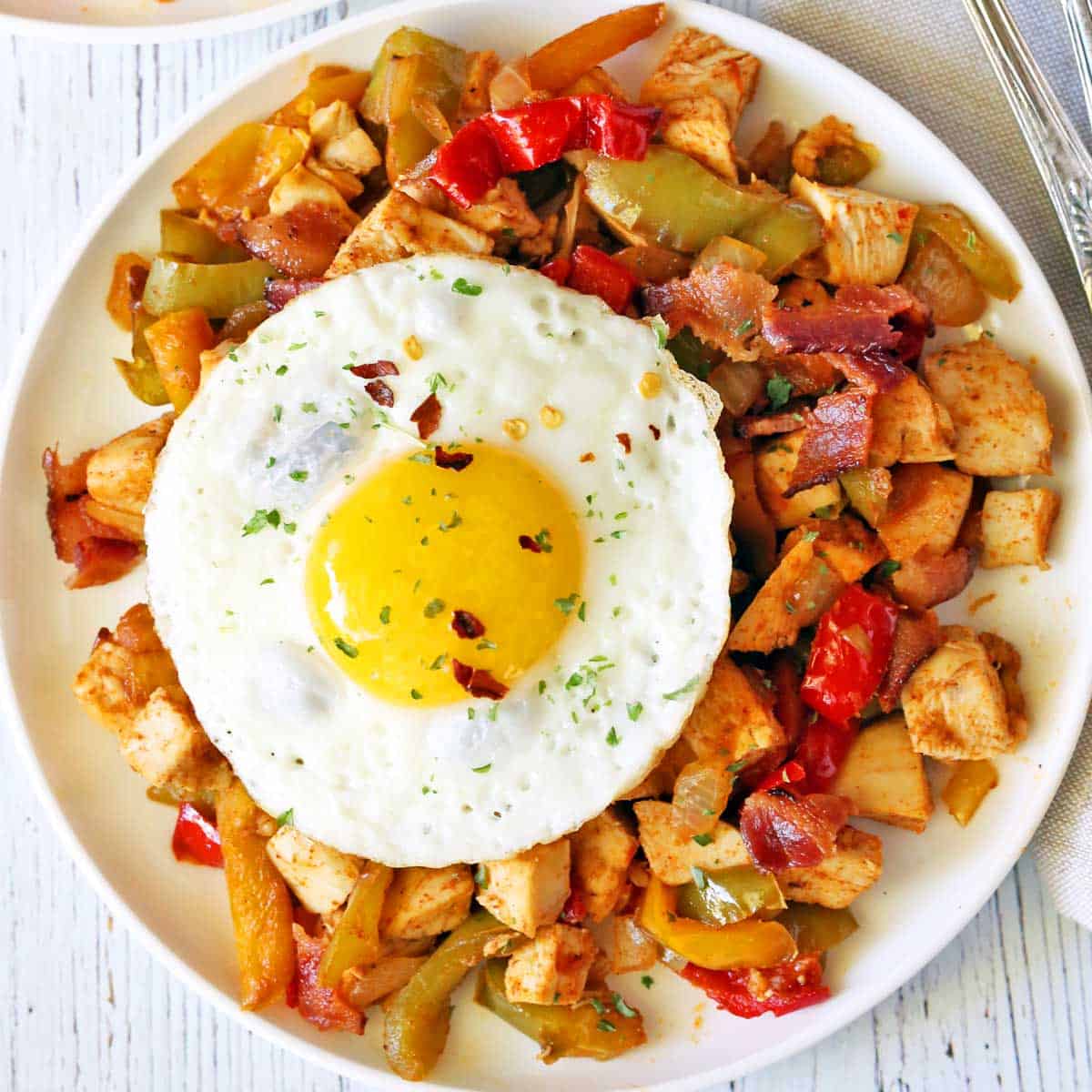
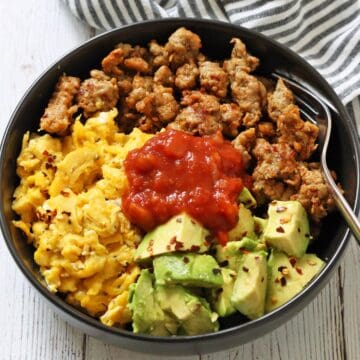
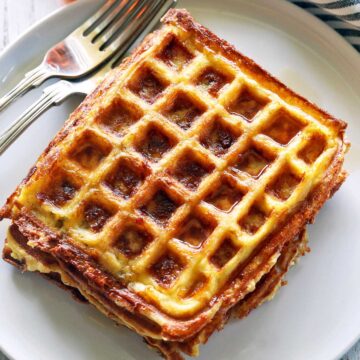
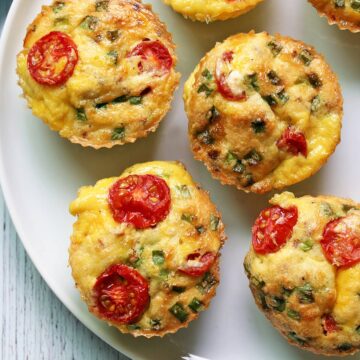
The images below show just a few of my favorite ways to use fried eggs. I don't limit them to breakfast! I often serve them as a main course at lunch or dinner, or use them as a topping.
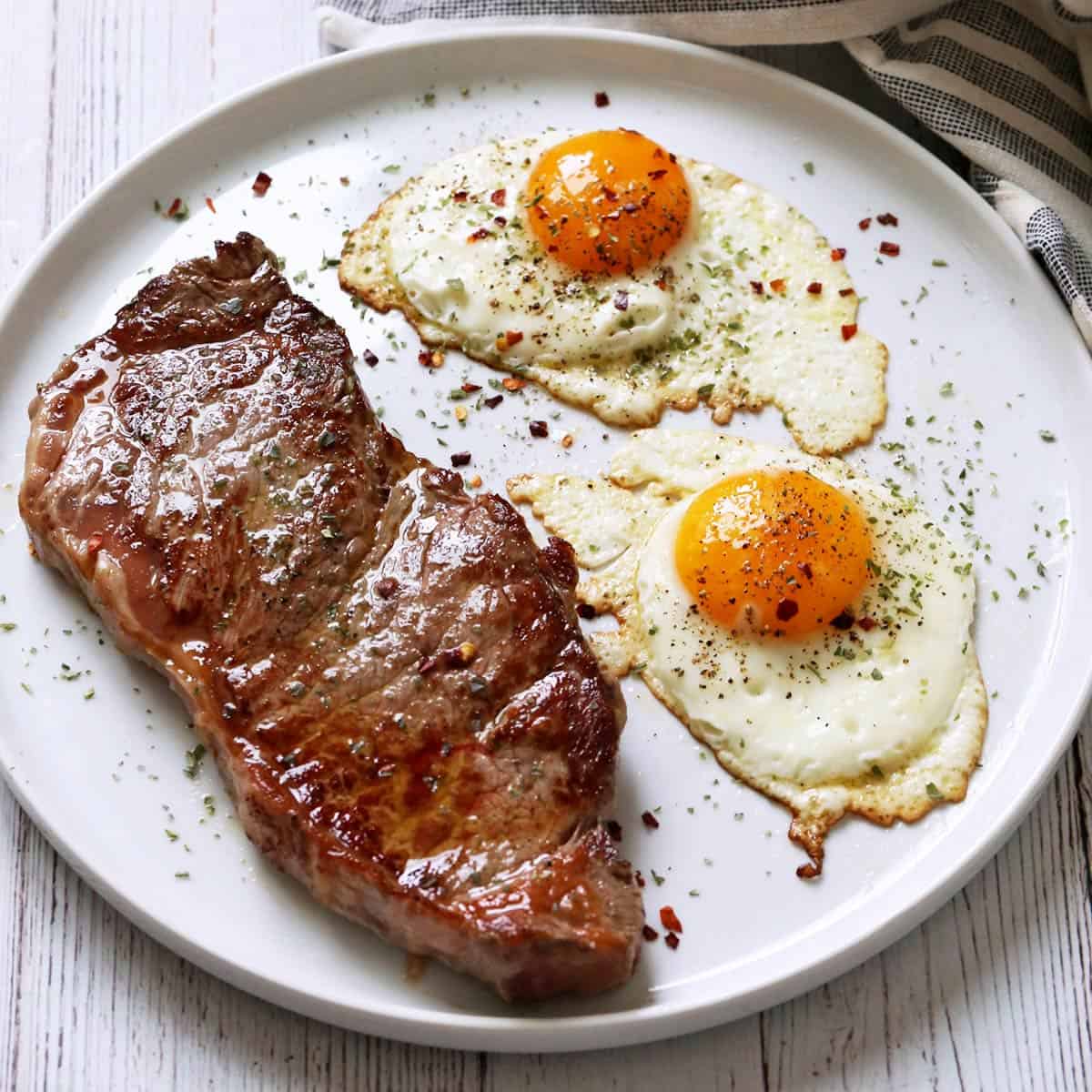
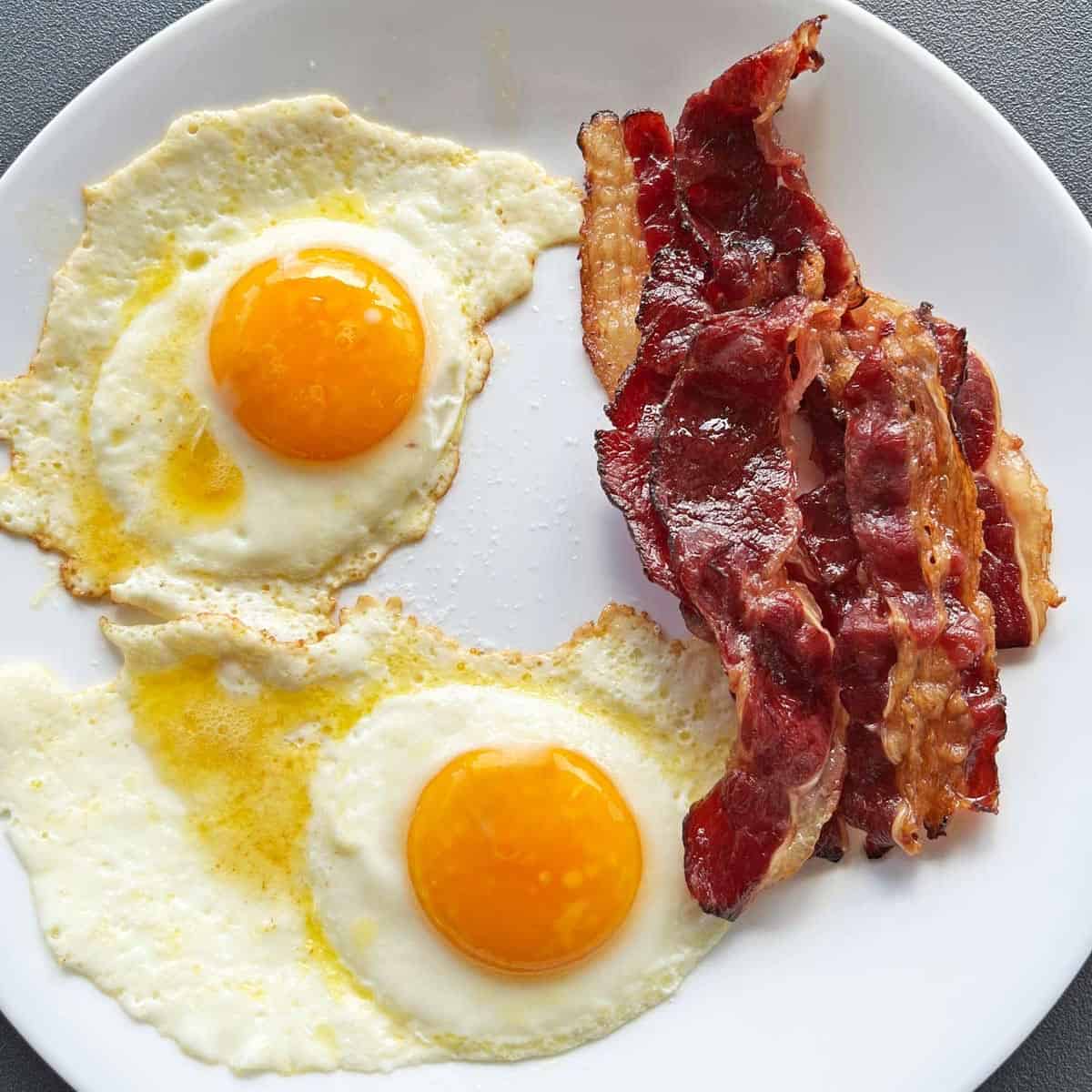
- They are an obvious choice for breakfast, with sides like oven-baked bacon, or as part of a steak-and-eggs breakfast.
- Place them on top of sautéed greens (such as sautéed kale) to turn them from a side dish to a main course.
- Serve them over rice (or cauliflower rice) bowls for a quick, filling meal.
- Use them as a burger topping, as I do in this bacon burger.
- Pair them with veggies like Chinese green beans for a quick meatless meal.
- Use them to top a breakfast hash like this leftover turkey hash.


Recipe Card

Simple Fried Eggs Recipe
Video
Ingredients
- ½ tablespoon butter - See notes below for more options
- 2 large eggs
- Pinch salt
- Pinch black pepper
Instructions
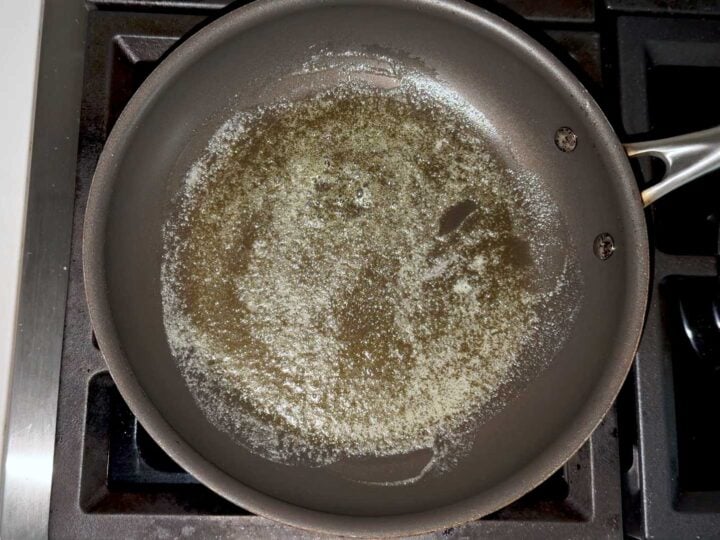
- Heat the butter in a 10-inch nonstick skillet over medium heat, swirling to coat the bottom evenly.½ tablespoon butter

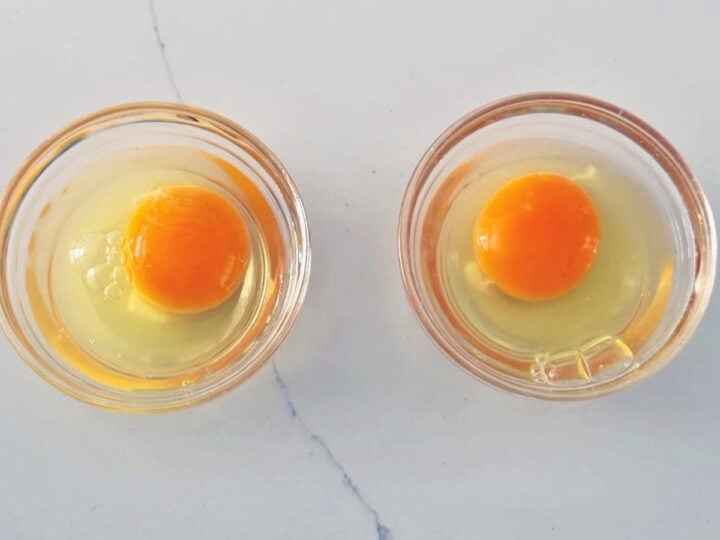
- Gently crack each egg into a small bowl for easy pouring.2 large eggs
- When the butter foams, slide the eggs, one by one, gently into the pan.
- For sunny-side up, cook undisturbed until the whites are set and the yolks are runny. This should take around 4 minutes over medium heat, but please go by how the eggs look, not by time.
- For over-easy, medium, or hard, when the whites are set, flip carefully (I use two wide spatulas, but you might be comfortable using just one) and cook until the yolks reach your preferred doneness. As a general guideline (but please check for yourself, as this can vary), cook just a few seconds for over-easy, 1-2 minutes for over-medium, and 3-4 minutes for over-hard.
- Transfer the eggs to a plate, season them with salt and pepper, and serve. If adding toppings (see the notes section below for ideas), do so immediately, while the eggs are still hot, especially if adding cheese.Pinch salt, Pinch black pepper

Notes
- Seasonings, especially salt, are guidelines - adjust to taste.
- I love writing precise recipes, but this is one where you'll need to rely on visual cues more than on exact timing. The same egg can cook faster or slower depending on the pan (especially its thickness) and how hot your stove runs. Electric stoves usually run hotter than gas ones.
- Fried eggs become crispy when the pan is hot and the fat is shimmering. For creamy eggs, cook at low heat and use a generous amount of fat.
- Choice of fat: Butter adds nutty richness. Extra-virgin olive oil has a clean, fresh flavor. Frying eggs in pesto adds aromatic depth, while chili oil gives them a spicy kick (but can also release chili fumes, so avoid it if you're sensitive). If using pesto, cook the eggs over medium-low heat to protect the delicate sauce from burning.
- Optional toppings: Shredded cheese melts into the hot eggs, adding flavor and richness. Bacon bits add crunch and smokiness. Other tasty options include bagel seasoning and sliced avocados.
- Please use a truly nonstick skillet. These skillets' coating wears out quickly, so it's best (in my opinion) to buy cheaper skillets and replace them often than to buy expensive ones and try to hang on to them for years. I replace mine annually. A well-seasoned cast-iron skillet also works, but you'll need to use at least a tablespoon of fat (butter is best), and the risk of sticking increases.
- Fresh eggs are best because they stay compact in the pan, giving you a better-looking egg. Older eggs are fine, but their whites are looser and spread out more.
Nutrition per Serving
Save this Recipe!
We will also add you to our weekly newsletter. Unsubscribe anytime. See healthyrecipesblogs.com/privacy/ to learn how we use your email.
Disclaimers
Most recipes are low-carb and gluten-free, but some are not. Recommended products are not guaranteed to be gluten-free. Nutrition info is approximate - please verify it. The carb count excludes non-nutritive sweeteners. Please read these Terms of Use before using any of my recipes.
Daniella says
Wow - so much great info. I prefer them crispy and really appreciate the timing you suggested - it was spot on. I also learned that medium heat works best - I used to fry them over high heat. Thank you!
Vered DeLeeuw says
I'm really glad you found this recipe helpful, Daniella, and appreciate the review!
Jillian says
LOVED the pesto ones! Who would have thought! After my next visit to the grocery store, I'm going to try the chili oil version.
Vered DeLeeuw says
That makes me so happy, Jillian! It really is surprisingly delicious. Thank you so much for trying the recipe and sharing your experience. I appreciate it!