
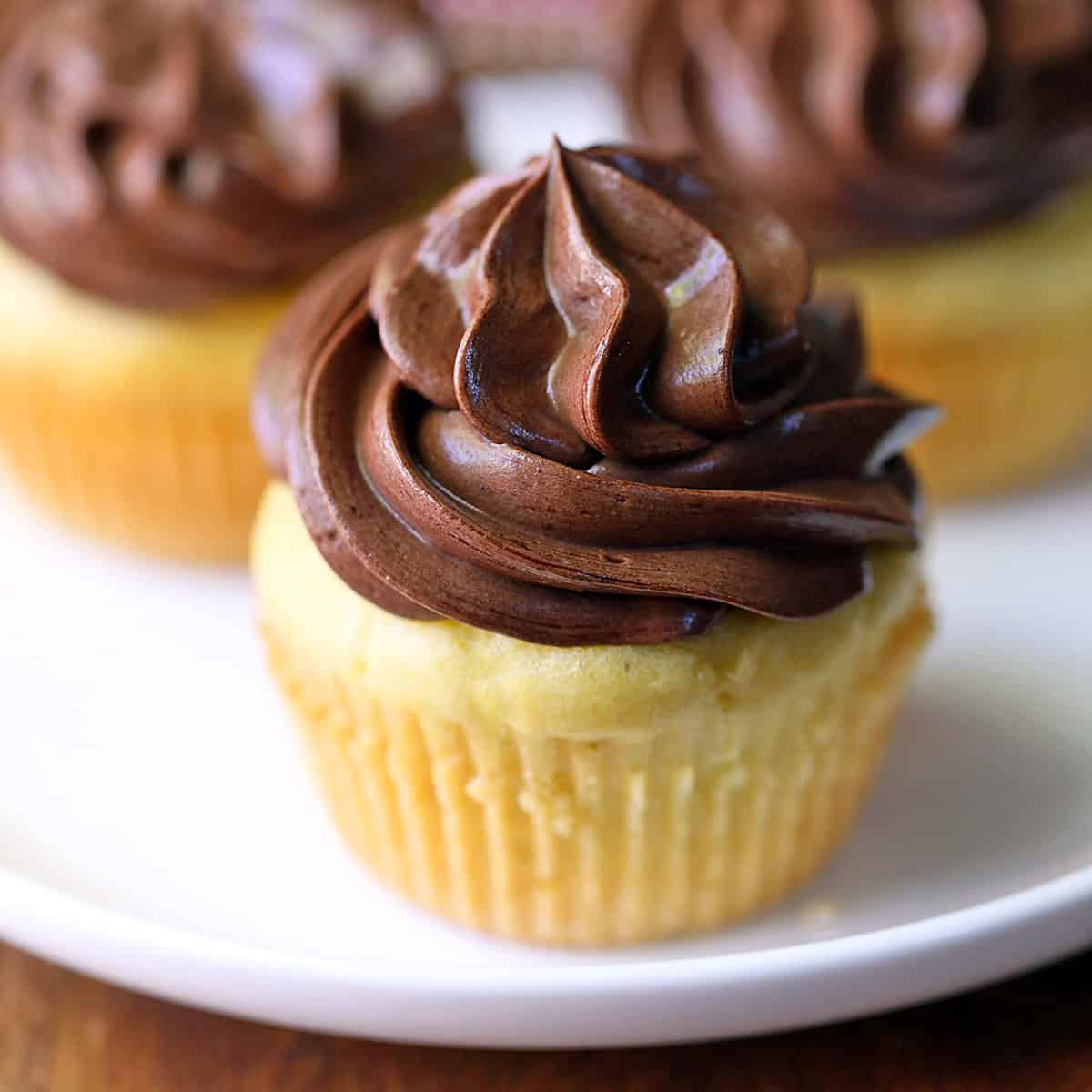
Whether you prefer vanilla or chocolate, these easy keto cupcakes are moist, fluffy, and topped with creamy frosting.
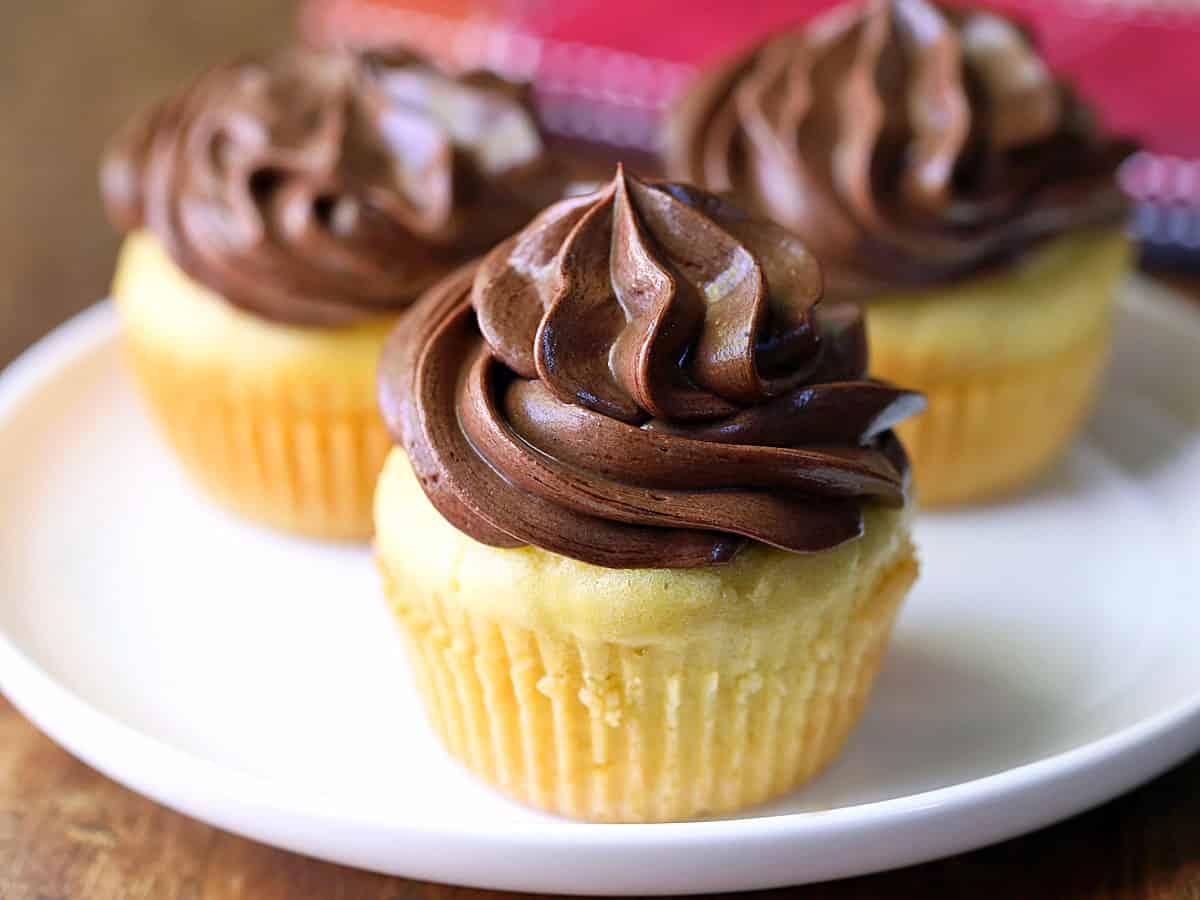
Whether you're craving classic vanilla or rich chocolate, these keto cupcakes have you covered. This recipe includes two delicious options: soft vanilla cupcakes made with almond flour and rich chocolate cupcakes made with coconut flour. Both are low-carb, gluten-free, and topped with creamy frosting, so you can bake your favorite, or make both for the perfect dessert platter.
Ingredients
See the recipe card below for exact measurements. Here are my comments on some of the ingredients.
Vanilla Cupcakes
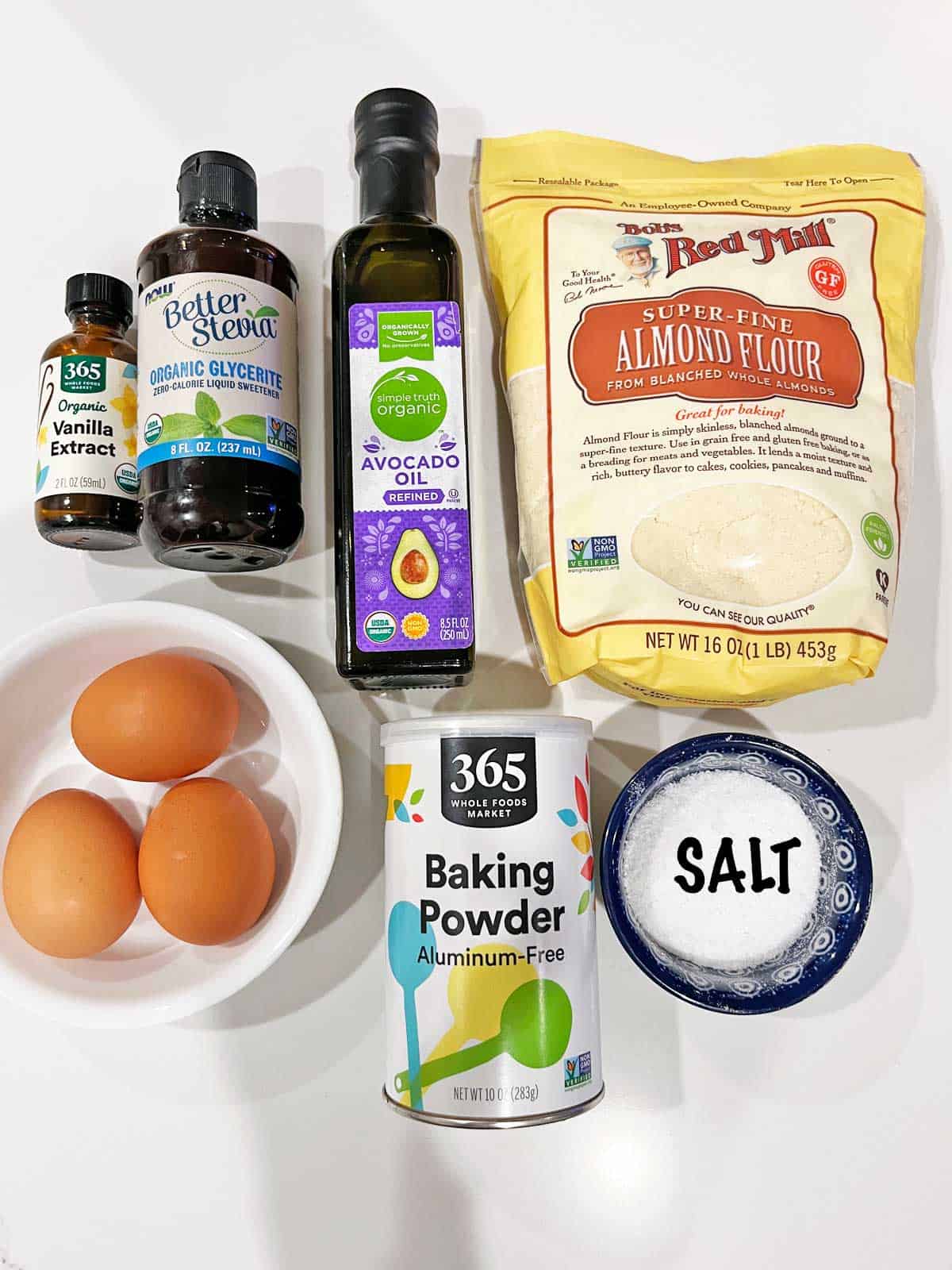
The main ingredients of the vanilla version are almond flour, avocado oil, eggs, vanilla extract, and a sweetener. The frosting is made with cocoa powder, heavy cream, butter, and a sweetener.
Chocolate Cupcakes
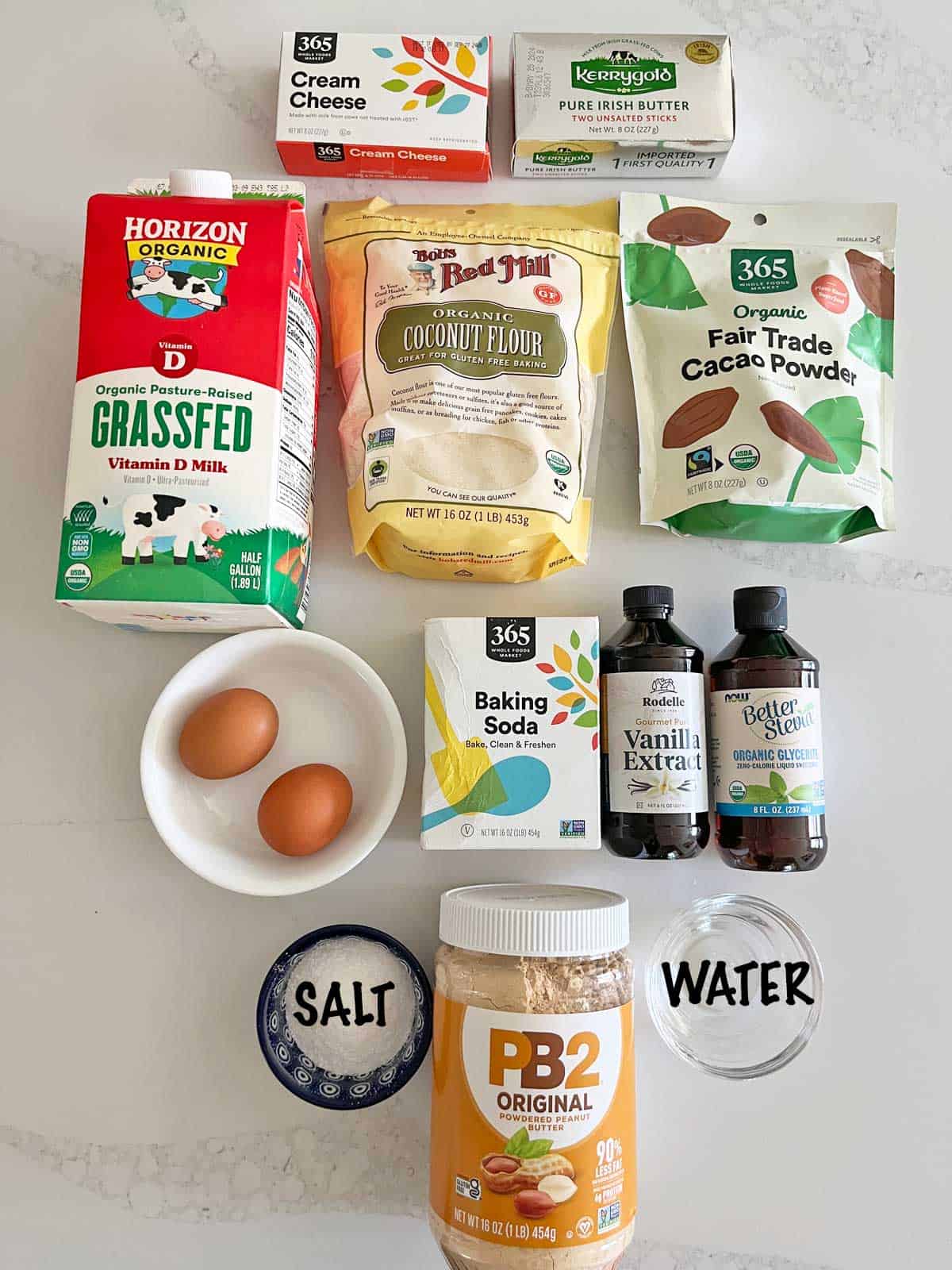
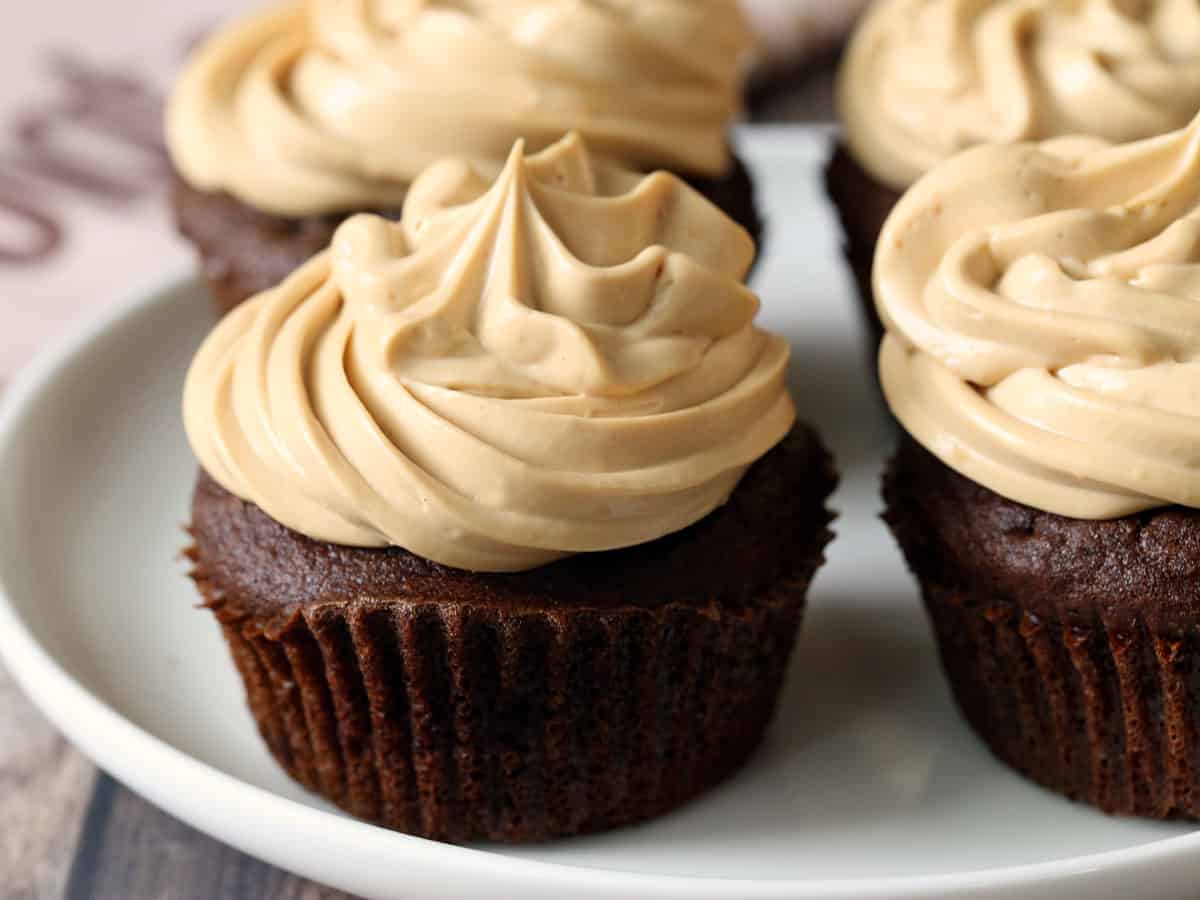
The main ingredients of the chocolate version are coconut flour, cocoa powder, eggs, and a sweetener. The frosting is made with cream cheese, powdered peanut butter, and a sweetener.
Vanilla Option: Instructions Overview
The detailed instructions and step-by-step photos for the vanilla version are included in the recipe card below. Here's a quick overview.
Mix the cupcake batter by hand in a single bowl. Divide the mixture between six greased cupcake liners. Bake the cupcakes for about 15 minutes in a 350°F oven.
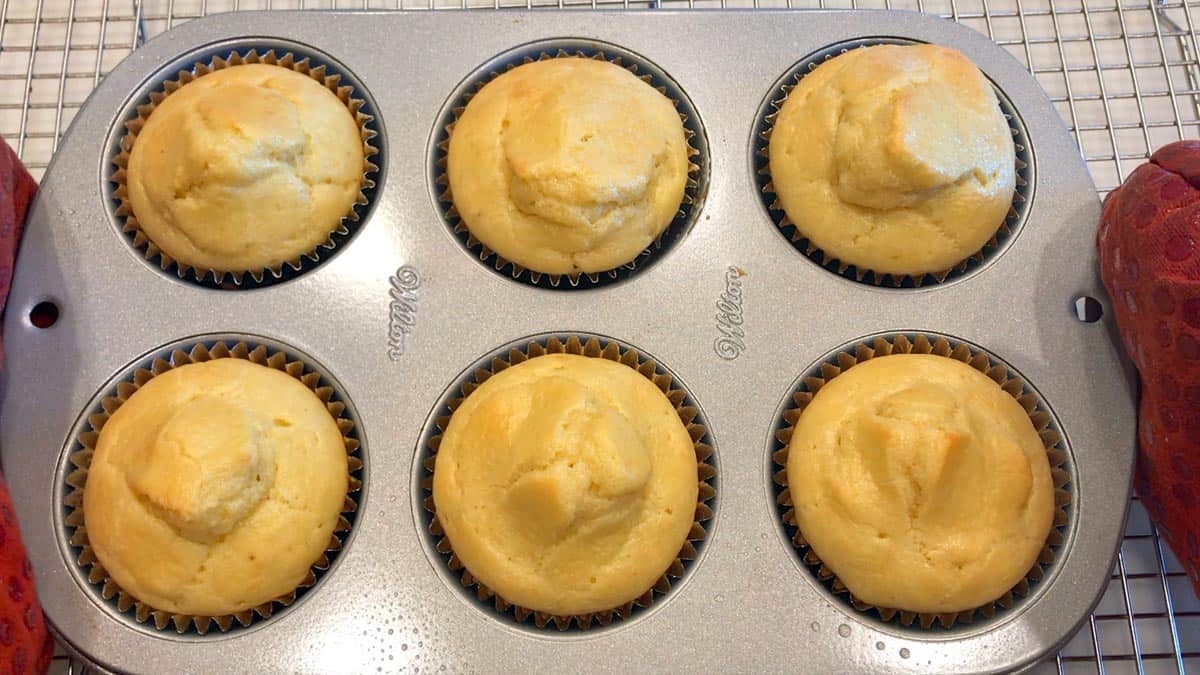
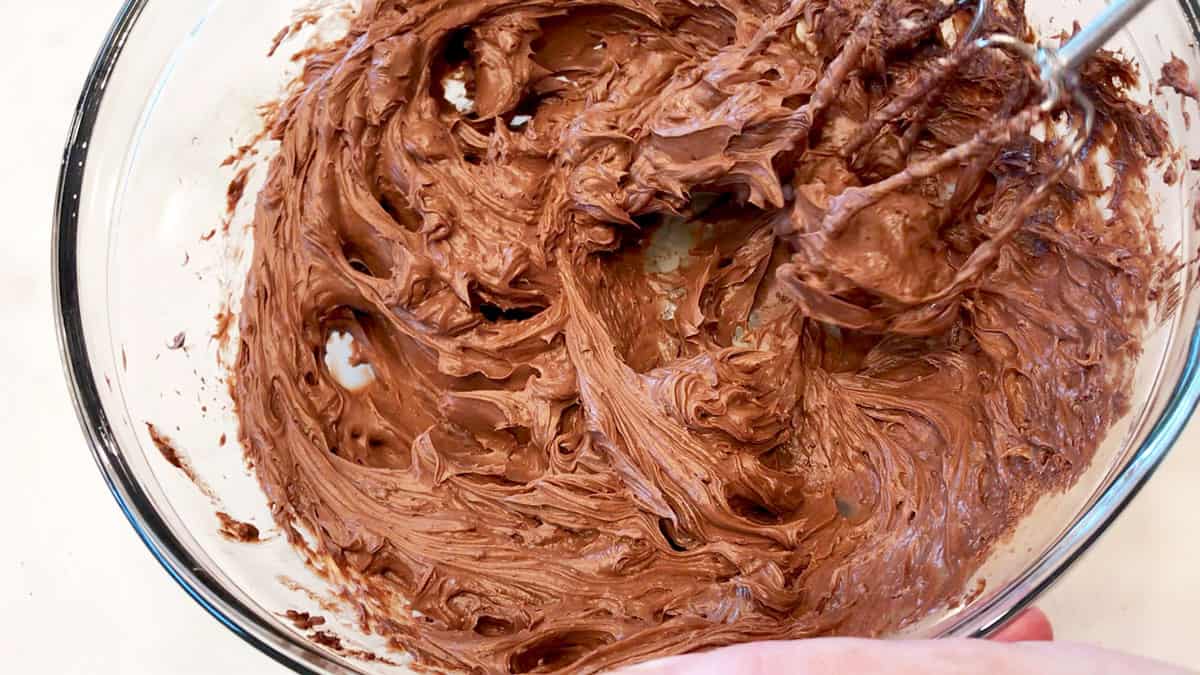
While the cupcakes are cooling, make the chocolate frosting.
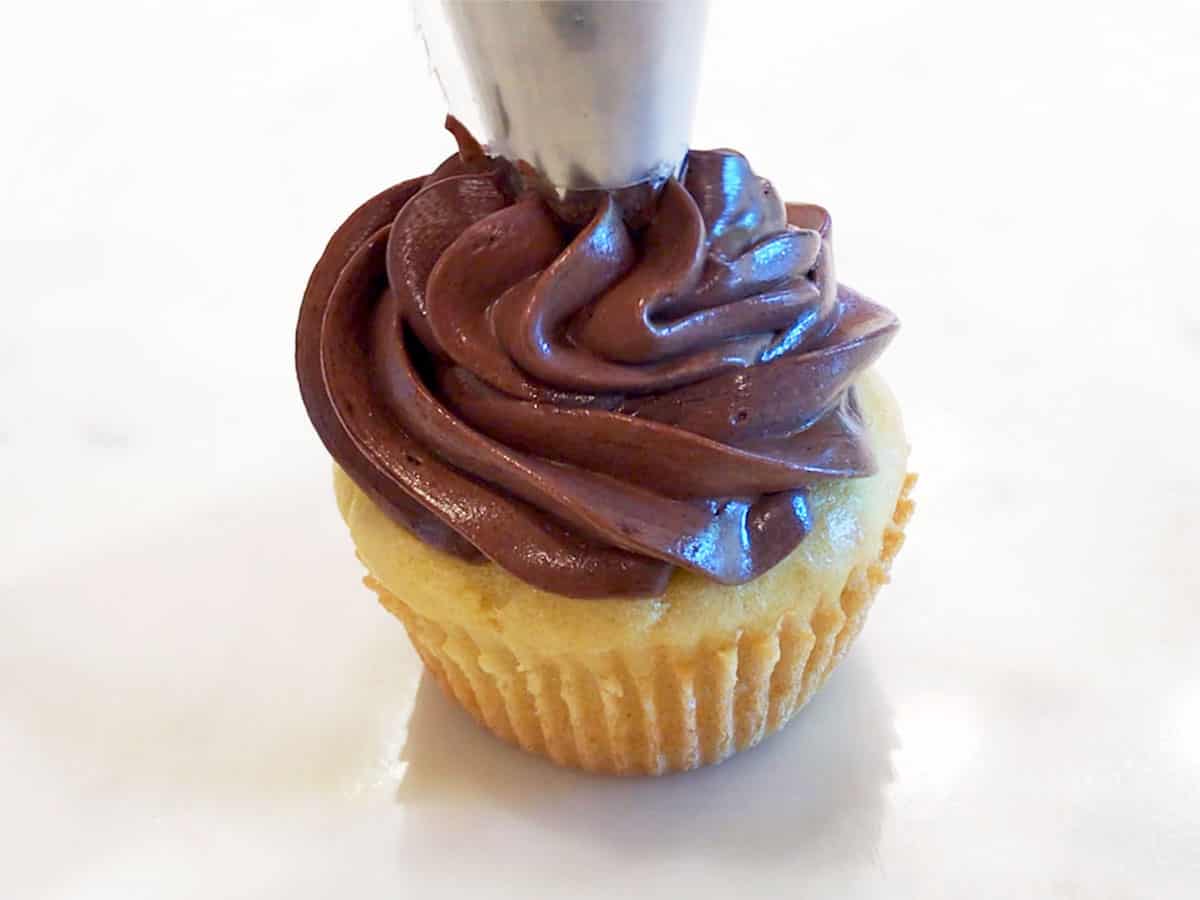
When the cupcakes are cool, frost them.
Chocolate Option: Detailed Ingredients & Instructions
Ingredients
Cupcakes
- 2 large eggs
- 2 tablespoons unsalted butter, melted and slightly cooled
- ¾ cup whole milk
- 1 ½ teaspoons stevia glycerite (equals ½ cup of sugar)
- 1 teaspoon vanilla extract
- 2 ounces coconut flour (½ cup)
- ¼ cup natural cocoa powder
- Pinch salt
- ½ teaspoon baking soda
Frosting
- 8 ounces cream cheese (room temperature)
- 2 tablespoons water
- 8 tablespoons powdered peanut butter
- 1 teaspoon stevia glycerite (scant; equals about ¼ cup powdered sugar)
Instructions
- Preheat the oven to 350°F. Line 6 muffin cups with foil (not paper) liners and grease the liners.
- In a large bowl, whisk the eggs. One by one, whisk in the butter, milk, sweetener, and vanilla.
- Mix in the coconut flour, followed by the cocoa powder, kosher salt, and baking soda.
- Using a 4-tablespoon scoop, transfer the batter to the prepared muffin cups.
- Bake the cupcakes until set, and a toothpick inserted in the center comes out clean, 18-20 minutes.
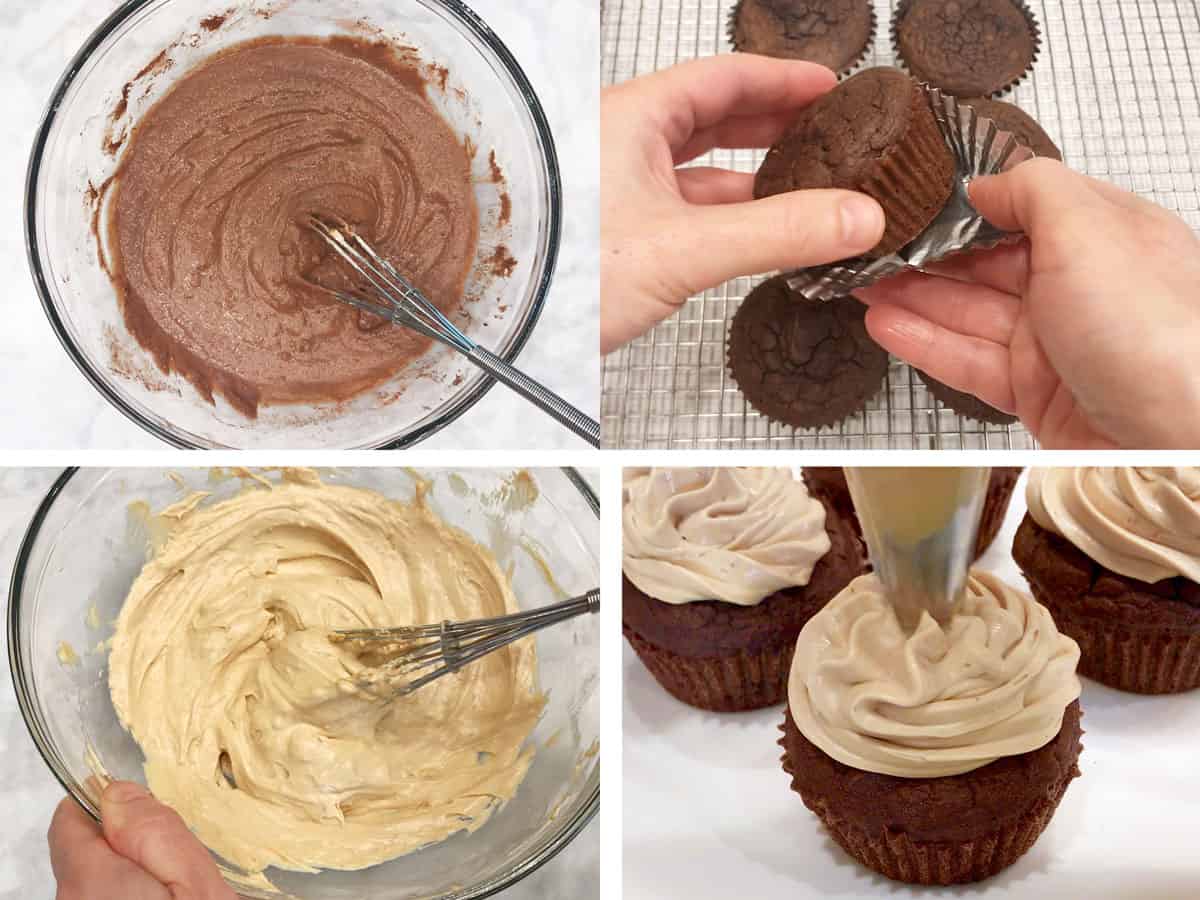
- Let the cupcakes cool in the pan for 5 minutes, until cool enough to handle, then remove them from the pan and the foil liners. Cool the cupcakes completely on a cooling rack for about 30 minutes before frosting them. You can speed this up by placing them in the fridge for 10-15 minutes.
- To make the frosting, place the cream cheese, water, PB2, and sweetener in a medium bowl. Whisk by hand until completely blended, light, and fluffy. This takes a while, so be patient and don't be tempted to add more water. You can also mix the frosting using a handheld mixer.
- Once the cupcakes are cool, frost them and serve.
Recipe Tips
- I highly recommend using greased foil or parchment liners when baking with almond or coconut flour. These cupcakes tend to stick to standard paper liners.
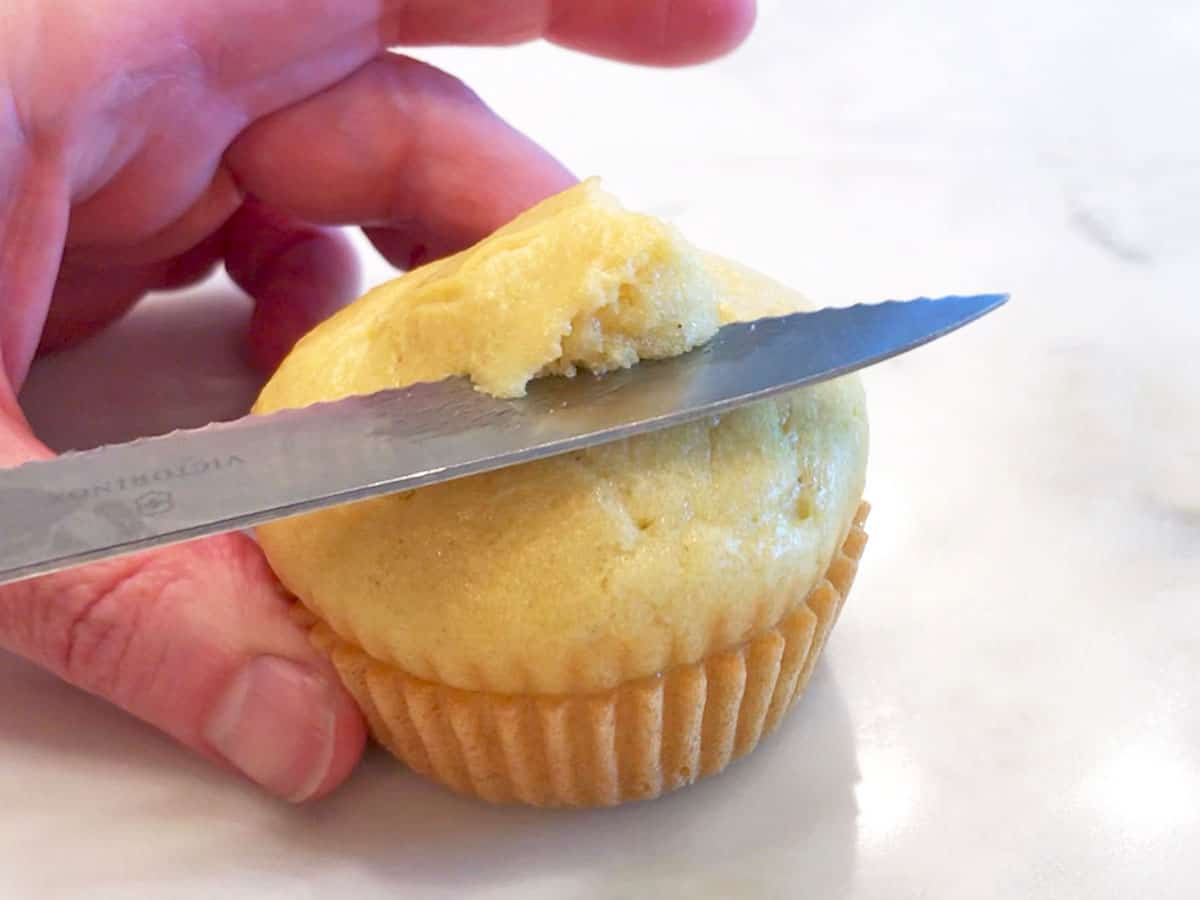
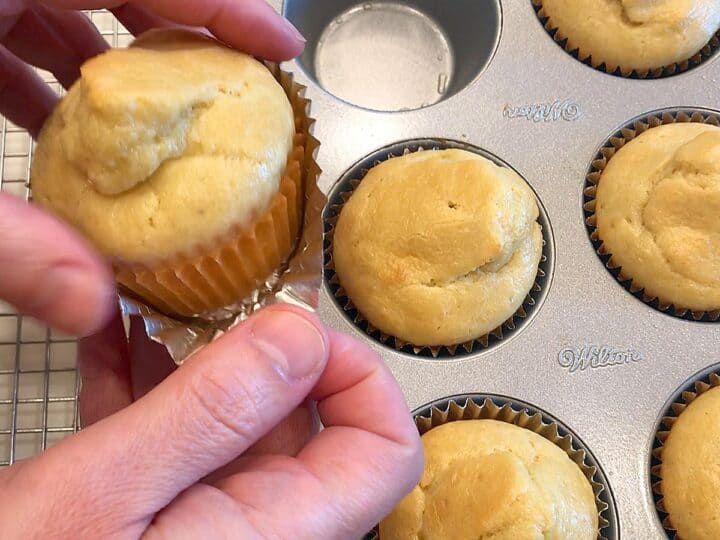
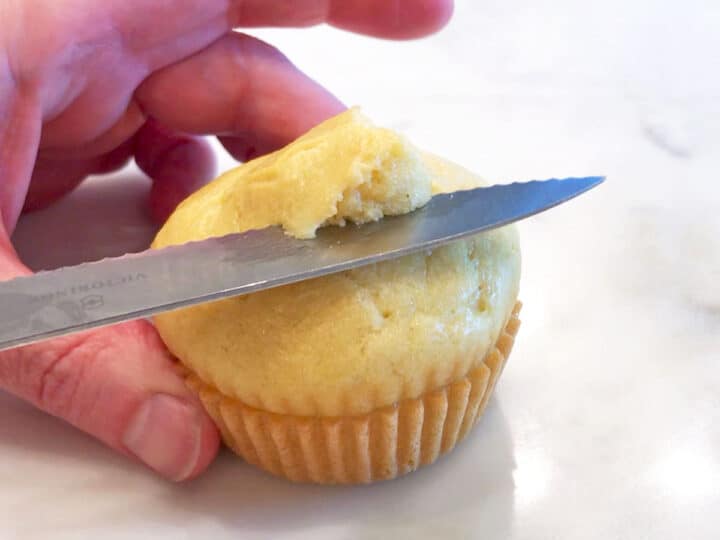
- If your cupcakes have uneven domes at their top, gently shave them off before frosting them, as shown in the photo below. This will make for a prettier frosted cupcake. If you don't plan on frosting the cupcakes, the domes can stay.
Recipe FAQs
Yes. You can try this cream cheese frosting or this yogurt frosting. This keto chocolate mousse also works as a light and airy frosting.
Natural cocoa powder is more acidic and has a lighter color with a bold, fruity chocolate flavor. Dutch-processed cocoa powder is treated with an alkaline solution to neutralize its acidity, giving it a darker color and a smoother, milder flavor.
I use natural cocoa powder in the chocolate cupcakes because its acidity reacts with the baking soda, helping the cupcakes rise. For the chocolate frosting, either type works well, but Dutch-processed cocoa powder creates a deeper color and a richer, smoother chocolate flavor.
To prevent the frosting from melting. If you don't want to wait an hour for the cupcakes to cool completely, you can place them on the cooling rack in the fridge. They will cool in about 20 minutes.
Once completely cool, these cupcakes can be stored in an airtight container in the fridge for up to 5 days. Remove them from the fridge an hour before enjoying them. The frosting is best at room temperature.
You can also freeze the cooled, unfrosted cupcakes in freezer bags for up to 3 months. I don't recommend freezing the frosting.
Recipe Card
Vanilla Keto Cupcakes with Rich Chocolate Frosting
Video
Ingredients
Cupcakes:
- 3 large eggs
- ¼ cup avocado oil
- 1 teaspoon vanilla extract
- 1 ½ teaspoon stevia glycerite - equals ½ cup of sugar
- 1 cup superfine almond flour - 4 ounces
- Pinch salt
- 1 teaspoon baking powder - gluten-free if needed
Frosting:
- ½ cup unsalted butter - softened; 4 ounces
- ¼ cup heavy whipping cream
- ¼ cup unsweetened cocoa powder - 20 grams; it's best to use Dutch-processed
- 1 teaspoon vanilla extract
- 1 ½ teaspoon stevia glycerite - equals ½ cup of powdered sugar
Instructions
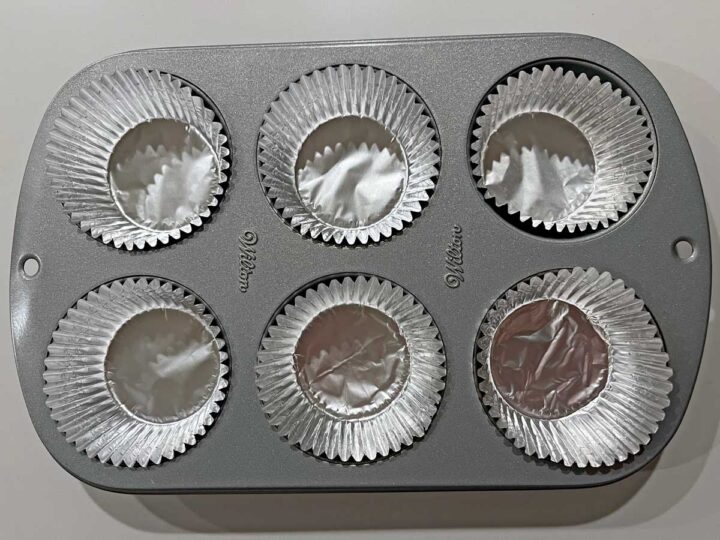
- Preheat the oven to 350°F. Line 6 muffin pan cavities with foil liners and lightly grease the liners.

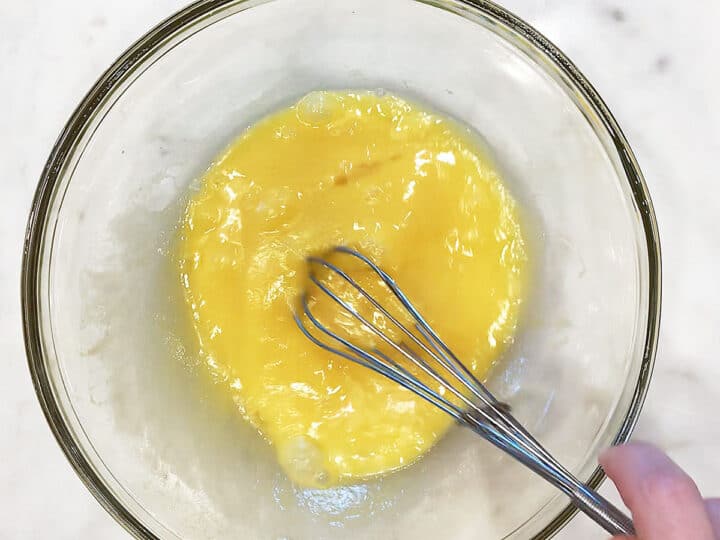
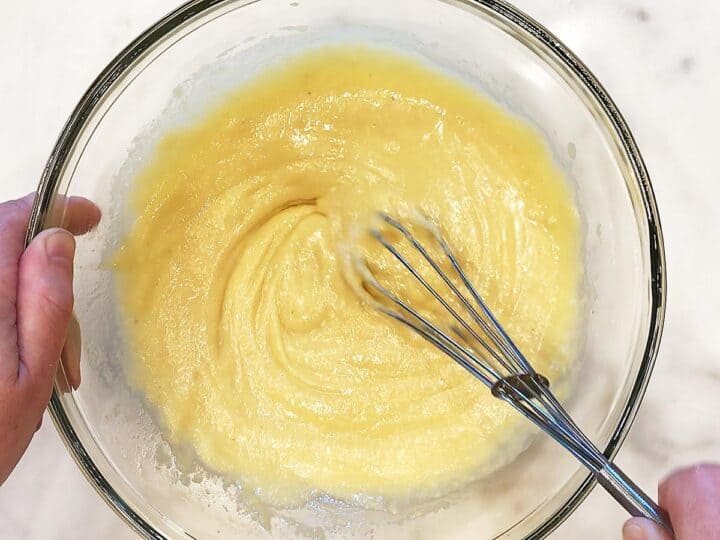
- In a large bowl, whisk the eggs, oil, vanilla, and stevia.3 large eggs, ¼ cup avocado oil , 1 teaspoon vanilla extract, 1 ½ teaspoon stevia glycerite
- Add the almond flour and whisk it in thoroughly until the batter is smooth. Whisk in the salt and baking powder.1 cup superfine almond flour, Pinch salt, 1 teaspoon baking powder
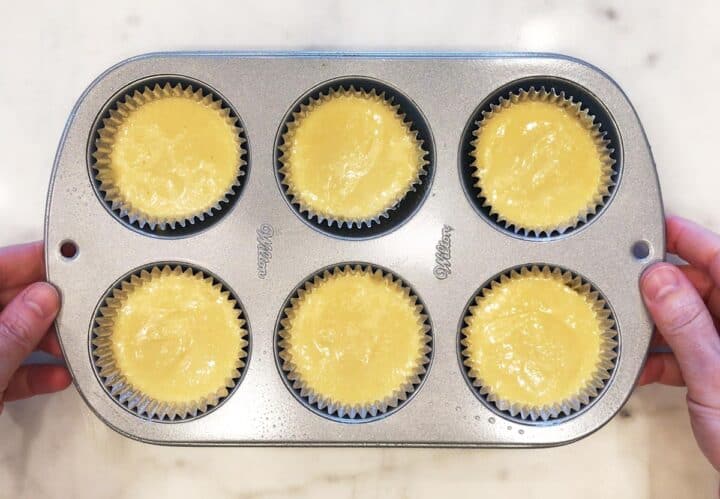
- Divide the batter between the cupcake liners. The batter will be fairly thin.

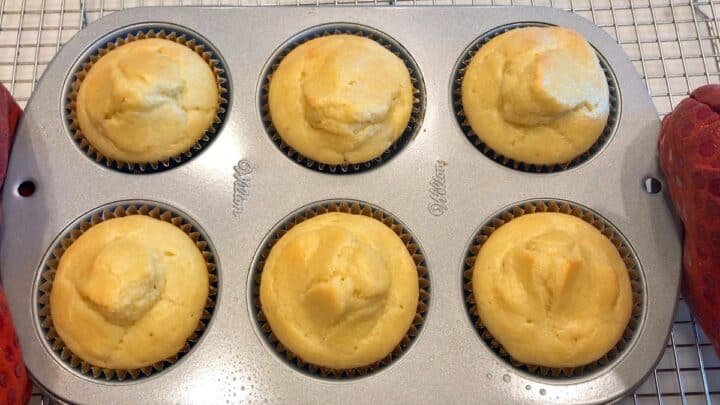
- Bake the cupcakes until puffed and a toothpick inserted in their center comes out clean, 15-17 minutes.

- Place the pan on a cooling rack for 5 minutes, then remove the cupcakes from the liners and place them directly on the cooling rack. Cool them completely for about an hour, or place them in the fridge for 20 minutes to cool them quickly.
- If your cupcakes have uneven domes, gently shave them off with a paring knife before frosting.
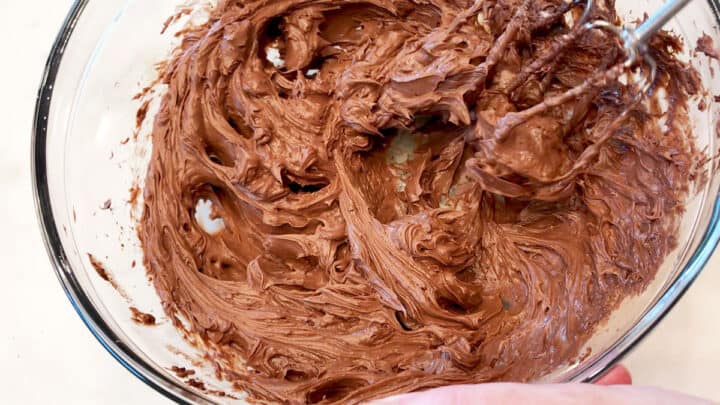
- To make the frosting, place the softened unsalted butter, heavy cream, cocoa powder, vanilla, and stevia in a medium bowl. Using a handheld electric mixer, beat on low to incorporate, then beat on medium for about 1 minute until the frosting is light and fluffy.½ cup unsalted butter, ¼ cup heavy whipping cream, ¼ cup unsweetened cocoa powder, 1 teaspoon vanilla extract, 1 ½ teaspoon stevia glycerite
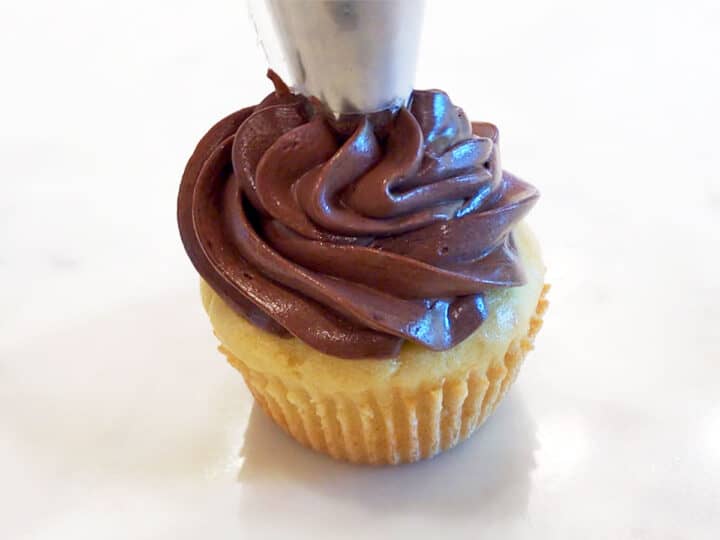
- Spoon the frosting on top of the cupcakes and gently spread it. Or use a piping bag to pipe it onto the cupcakes.
Notes
- Sweetness is a personal preference. Use these amounts as a guide and adjust to taste.
- I highly recommend using greased foil or parchment liners when baking with almond or coconut flour. These cupcakes tend to stick to standard paper liners.
- A granulated sweetener in the frosting will feel grainy, so please use a powdered sweetener. Add 1-2 extra tablespoons of heavy cream if the frosting is too thick.
- Once completely cool, store these cupcakes in an airtight container in the fridge for up to 5 days. Remove them from the fridge an hour before enjoying them.
Nutrition per Serving
Save this Recipe!
We will also add you to our weekly newsletter. Unsubscribe anytime. See healthyrecipesblogs.com/privacy/ to learn how we use your email.
Disclaimers
Most recipes are low-carb and gluten-free, but some are not. Recommended products are not guaranteed to be gluten-free. Nutrition info is approximate - please verify it. The carb count excludes non-nutritive sweeteners. Please read these Terms of Use before using any of my recipes.
Rebecca says
Thank you for this delicious cupcake recipe. My great nephew has to be on stringent keto diet. He devoured it.
Vered DeLeeuw says
I'm so glad to hear he enjoyed the cupcakes, Rebecca! How wonderful.
Many thanks for taking the time to leave a review.