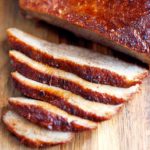
Easy Oven Brisket Recipe
Tender, juicy oven brisket is made with a simple spice rub and slow baking. An easy, foolproof recipe with rich, flavorful results.
Servings 6 servings
Calories 582kcal
Ingredients
- 3 pounds brisket fat trimmed to ¼-inch thick; see notes below
Dry Rub:
- 2 teaspoons Diamond Crystal kosher salt or 1 teaspoon of any other salt, including Morton kosher salt
- 1 teaspoon black pepper
- 1 tablespoon smoked paprika
- 1 teaspoon ground cumin
- 1 teaspoon onion powder
- 1 teaspoon garlic powder
- 1 teaspoon dry mustard
Instructions
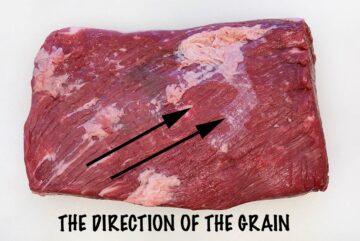
- Preheat the oven to 300°F. Look at the raw piece of meat and locate the direction of the grain. You will want to cut it against the grain when it's cooked.3 pounds brisket
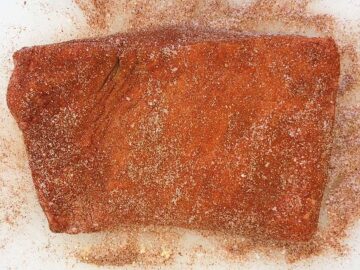
- In a small bowl, mix the salt, pepper, smoked paprika, cumin, onion powder, garlic powder, and dry mustard. Gently rub the spice mix all over the meat.2 teaspoons Diamond Crystal kosher salt, 1 teaspoon black pepper, 1 tablespoon smoked paprika, 1 teaspoon ground cumin, 1 teaspoon onion powder, 1 teaspoon garlic powder, 1 teaspoon dry mustard
- Make a foil pouch: Place the brisket, fat side up, on two layers of foil. Pull the edges of the foil up around the brisket and wrap it. Use a third foil layer on the top if needed. Seal well to keep moisture in, but don't wrap the meat too tightly. Leave some room for the steam.
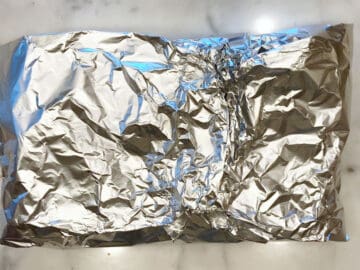
- Place the foil pouch on a foil-lined, broiler-safe, rimmed baking sheet. Cook the brisket for 3 hours (about 1 hour per pound) until very tender.
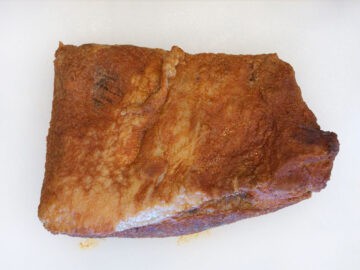
- Turn off the oven and let the meat rest until it's cool enough to handle. Remove the brisket from the oven and open the foil pouch. Pour the cooking juices into a measuring cup. You can skim the fat from the top if you want (I don't).
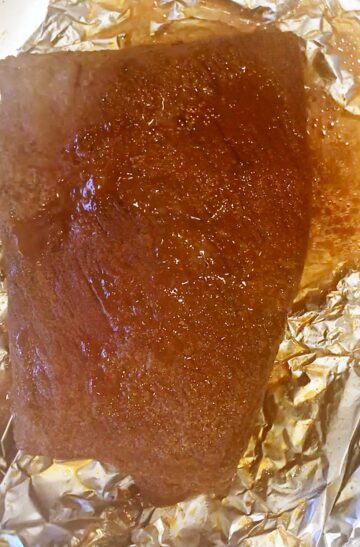
- Turn the oven to broil. Brush the meat with some of the cooking juices. Broil until the fat browns and starts to crisp, for about 2 minutes.
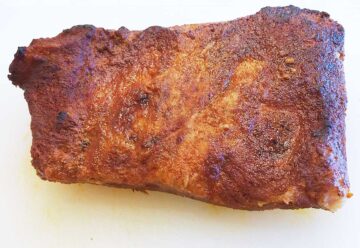
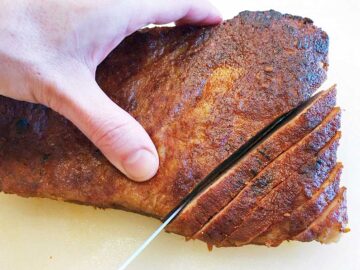
- Allow the brisket to cool for a few minutes before slicing. Slice it against the grain and on the bias into ¼-inch slices. Serve it with the cooking juices for dipping.
Video
Notes
- You can use a teaspoon of smoked salt for a more pronounced smoky flavor.
- Seasonings, especially salt, are just guidelines. Adjust to taste.
- Brisket has two main parts: the flat and the point. The flat is much leaner, so it has less protection during cooking and can dry out if taken even slightly past ideal doneness. The point is fattier with more marbling and connective tissue. As it cooks low and slow, the fat renders, and the collagen turns into gelatin, keeping the meat juicy and tender. You can use this recipe to cook either part, but the point is more forgiving and usually ends up richer and moister, while the flat can come out a little dry, especially if overcooked.
- Beef brisket comes with a beautiful fat cap. Please don't remove it completely, before or after cooking. It's the best part! But you can ask your butcher to trim it to a manageable thickness. ¼ inch is ideal.
- Cook the meat fat side up. This will allow some of the melting fat to seep into the meat, making it juicier and more flavorful.
- Like other slow-cooked meats, brisket improves with time. You can keep the leftovers in an airtight container in the fridge for up to four days. Slice the leftovers and serve them cold, or reheat them covered in the microwave at 50% power.
- You can freeze the cooled leftovers in a single layer in freezer bags for up to three months. Thaw them overnight in the fridge.
Nutrition
Serving: 6ounces | Calories: 582kcal | Protein: 42g | Fat: 44g | Saturated Fat: 17g | Sodium: 382mg
