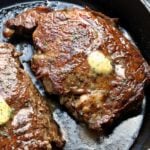
Juicy Ribeye Steak
For reliably juicy ribeye steak, sear it in a hot cast-iron skillet and then place it in the oven. Top with a pat of butter, and serve!
Servings 2 servings
Calories 1045kcal
Ingredients
- 2 ribeye steaks 1 pound each, 1.5-inch thick, preferably USDA Prime
- 2 teaspoons Diamond Crystal kosher salt or 1 teaspoon of any other salt, including Morton kosher salt
- ½ teaspoon black pepper freshly ground
- 2 tablespoons butter
Instructions
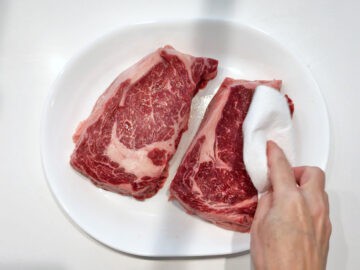
- Preheat the oven to 500°F. Blot the steaks dry with paper towels. Keeping their surface dry will help create a good crust.2 ribeye steaks
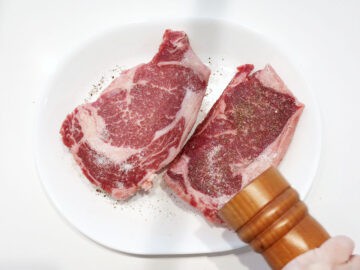
- Season the steaks on both sides and the fatty edge with kosher salt and black pepper.2 teaspoons Diamond Crystal kosher salt, ½ teaspoon black pepper
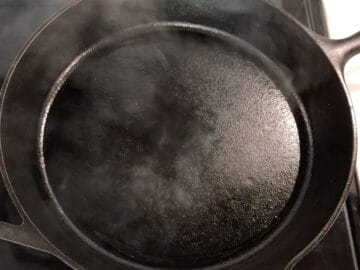
- Heat a well-seasoned cast-iron skillet over high heat until it's smoking. If the skillet is well-seasoned, there's no need to add oil.
- Add the steaks and cook them for 2 minutes per side. If the skillet becomes overheated, lower the heat to medium-high, but generally speaking, you want it super-hot.
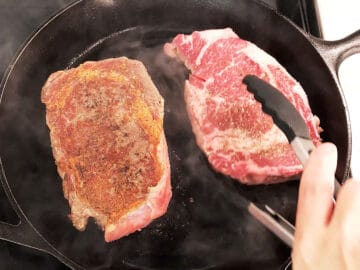
- Cook the steaks' edges for about 30 seconds per edge.
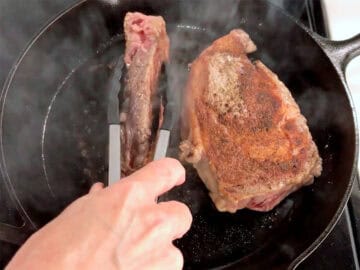
- Very carefully, using oven mitts, transfer the hot skillet to the preheated oven. Leave it there for about 3 minutes for medium-rare steaks or 5 minutes for medium-done steaks.
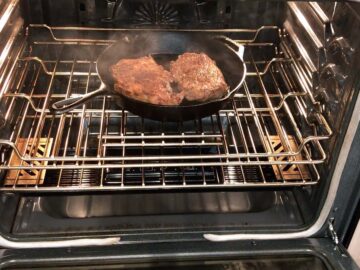
- Transfer the steaks to a warm plate and loosely cover them with foil to keep them warm. Let them rest for 5 minutes, then top them with butter and serve.2 tablespoons butter

Video
Notes
- Seasonings, especially salt, are guidelines. Adjust to taste.
- If you have a smoke alarm near your kitchen, open your kitchen windows and run your range hood fan.
- If you're using a well-seasoned cast-iron skillet, which I highly recommend for best results, there's no need to add oil. If using a stainless steel skillet, keep the heat at medium-high, add 1–2 tablespoons of a high-heat oil such as avocado oil or ghee, and accept that some sticking will occur. This method is not suitable for nonstick skillets.
- I like my steaks medium-rare, so I cook them refrigerator-cold. This enables me to give them a good sear while keeping their inside red and warm.
- If you like your steaks rare or if they are thinner - around 1 inch thick - you can skip the oven and simply pan-fry them for 3 minutes per side plus 30-60 seconds on the edges, or until done to your liking.
- The cook times suggested here are a guideline. Many variables can affect how long you'll need to cook the steak, including your stove (electric stoves get hotter than gas ones, for example), the skillet you use, your steak's initial temperature, and its thickness.
- The USDA recommends cooking steaks to medium.
- The nutrition information is approximate. To lower the sodium content to around 886 milligrams per serving, use just one teaspoon of Diamond Crystal Kosher Salt or ½ teaspoon of any other salt.
- Leftovers: Reheated steak isn't very good. So while the leftovers can be kept in the fridge in an airtight container for up to 4 days, it's best to cook only what you can finish immediately. If you end up with leftovers, try them cold - they're surprisingly good (like thick, fatty slices of cold roast beef). If you must reheat them, do so gently in the microwave, covered, at 50% power.
Nutrition
Serving: 1steak | Calories: 1045kcal | Protein: 91g | Fat: 76g | Saturated Fat: 36g | Sodium: 1446mg
