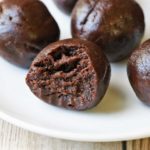
3-Ingredient Keto Fat Bombs
These easy keto fat bombs come together in just 10 minutes using a handful of ingredients. Perfect as a snack, dessert, or quick breakfast.
Servings 6 fat bombs
Calories 129kcal
Ingredients
- ½ cup peanut butter 128 grams; Natural, creamy; use a freshly opened jar
- 1 teaspoon stevia glycerite Scant. Equals a scant ⅓ cup of powdered sugar
- 2 tablespoons cocoa powder Unsweetened, processed with alkali
Optional:
- Pinch sea salt If your peanut butter isn't salted
- 1-2 tablespoons water If using a powdered sweetener or a peanut butter spread, and the batter is too dry
Instructions
- Combine the peanut butter, sweetener, and cocoa powder in a medium bowl.½ cup peanut butter, 1 teaspoon stevia glycerite, 2 tablespoons cocoa powder
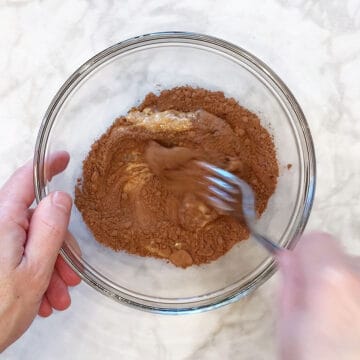
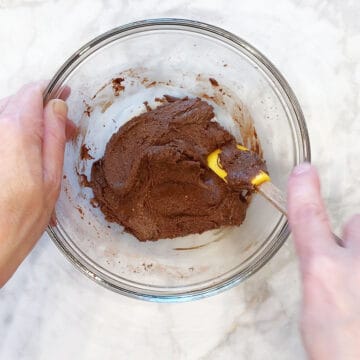
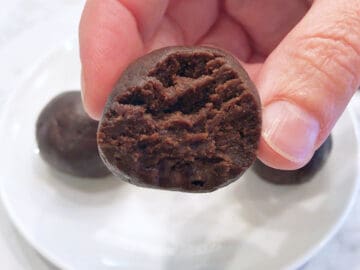
- Mix the ingredients with a fork or rubber spatula until smooth. The mixture will be very thick. It should have the texture of edible playdough. See the notes section below for tips.
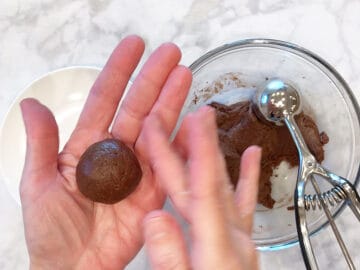
- Use a scant cookie scoop (a 2-tablespoon scoop) to portion the mixture, then shape each portion into a smooth ball with your hands. If you use stevia, you should get six balls. With a powdered sweetener, you should get seven.
- Enjoy immediately, or, better yet, let them rest for a few hours to allow the flavors to meld and any stevia bitterness to mellow. They improve after a few hours' rest.
Video
Notes
- The flavor of stevia does come through in this recipe, more so than in other keto desserts, so even with stevia glycerite, which is milder, you might be able to detect some bitterness. A pinch of salt should help, especially if your peanut butter isn't salted. But if you're sensitive to the typical stevia aftertaste, it's best to use a powdered sweetener instead. Avoid granulated sweeteners, as they can result in a grainy mouthfeel. If you use a powdered sweetener, you'll likely need to add 1-2 tablespoons of water to the mixture. Your goal is to have a smooth dough that you can shape with your hands. Another option is to use this highly concentrated monk fruit sweetener.
- I recommend using cocoa powder processed with alkali. It's milder, darker, and less acidic than natural cocoa powder.
- Sweetness is a personal preference. Use these amounts as a guide and adjust to taste.
- I highly recommend using a jar of natural peanut butter that has just been opened and stirred. This will ensure the peanut butter is fairly liquid and not too thick. Once refrigerated, it thickens. And no matter how well you stir, the peanut butter near the bottom of the jar tends to be too dry. Alternatively, it's OK to use creamy peanut butter spread and add 1-2 tablespoons of water.
- The texture of the batter depends on the type of peanut butter you use. If the batter is too liquid, stir in coconut flour, 1 teaspoon at a time, until it becomes firmer. If it's too dry, add water, a tablespoon at a time. As mentioned above, your goal is to have a smooth dough that you can shape with your hands.
- Store the leftovers in an airtight container on the counter for up to two days. If your kitchen is hot or if you want to store them for longer, store them in the fridge for up to 5 days. Remove them from the fridge an hour before enjoying them to allow them to soften.
Nutrition
Serving: 1fat bomb | Calories: 129kcal | Carbohydrates: 5g | Protein: 6g | Fat: 11g | Saturated Fat: 2g | Sodium: 98mg | Fiber: 2g | Sugar: 2g
