
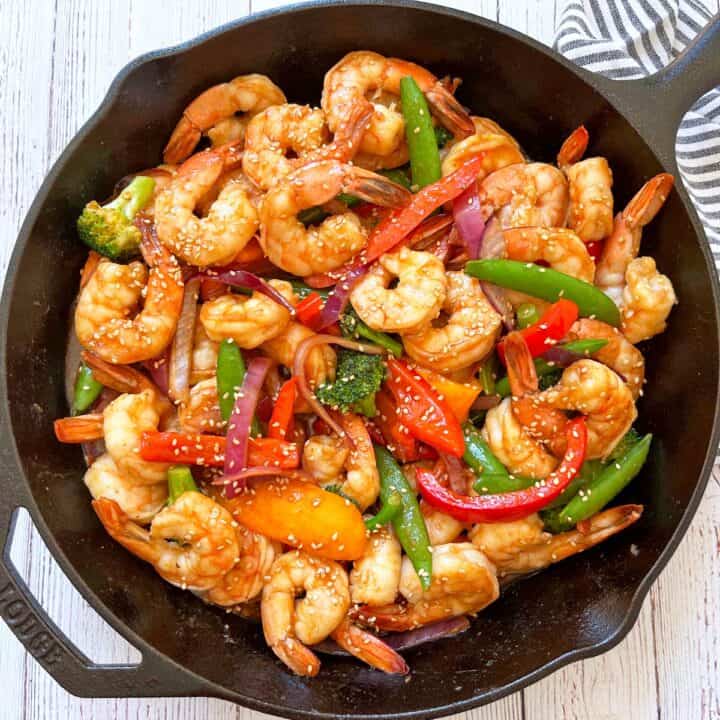
Shrimp Stir-Fry with Honey-Sriracha Sauce
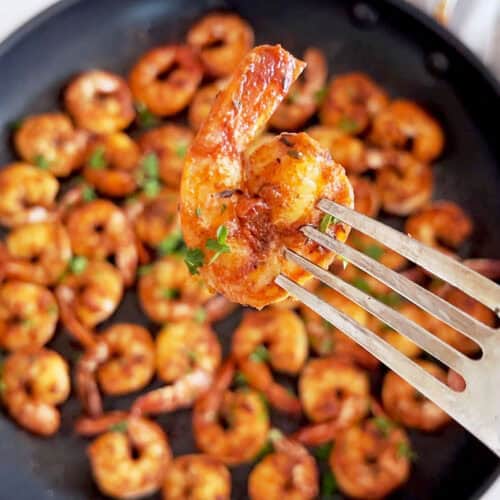
This shrimp stir-fry is ready in about 30 minutes. It's the ultimate weeknight dinner: quick, easy to make, and delicious.

Meet The Author
Vered DeLeeuw has been following a real-food, low-carb diet and blogging about it since 2011. She has taken nutrition courses at the Harvard School of Public Health and has earned a Nutrition and Healthy Living Certificate from Cornell University. Her work has appeared in several major media outlets. You can follow her on Facebook, Pinterest, and YouTube.
Summer Recipes
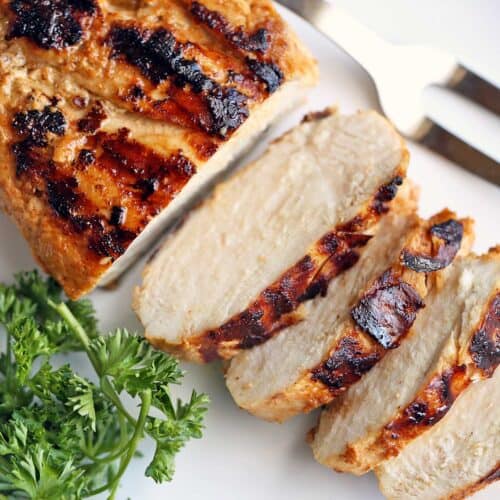
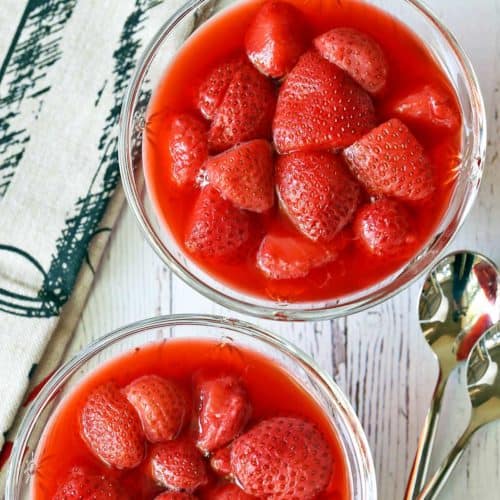
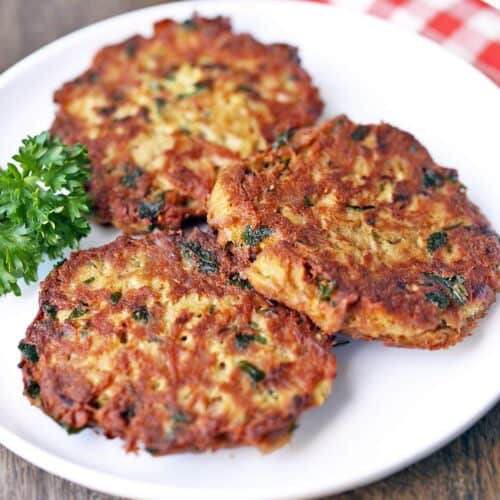
Many of us prefer lighter fare during the summer. From colorful salads to simply grilled dishes, the possibilities are endless!
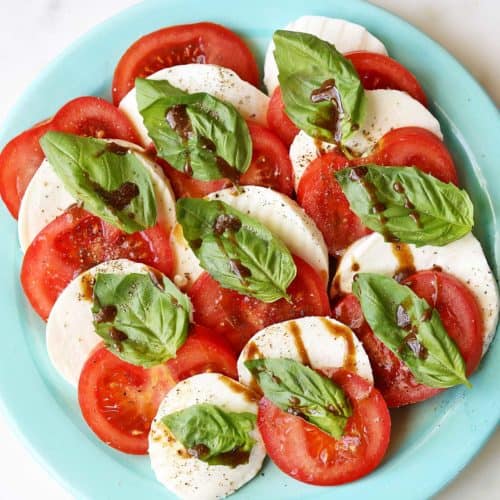
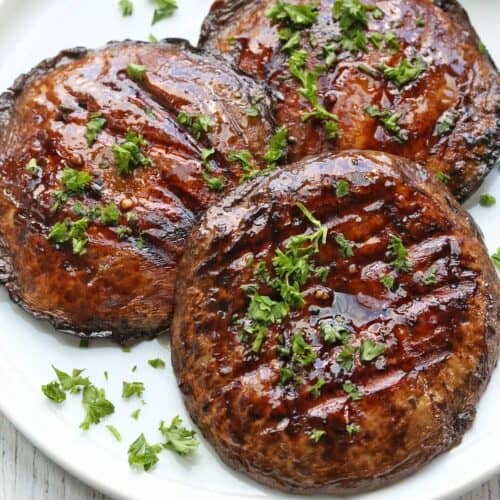
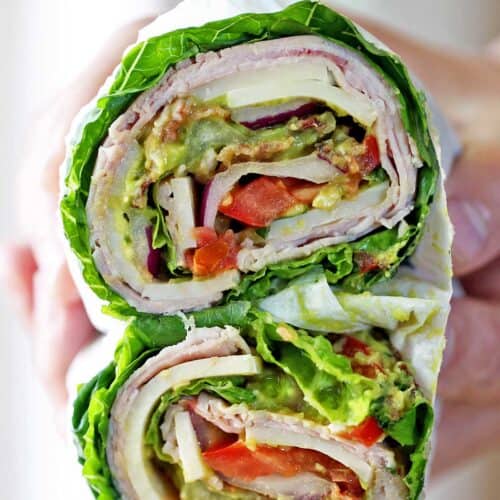
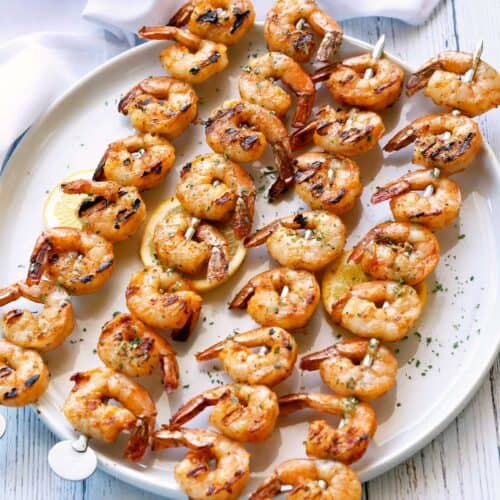
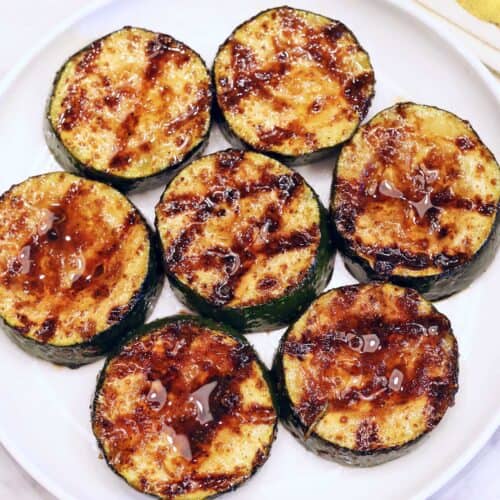
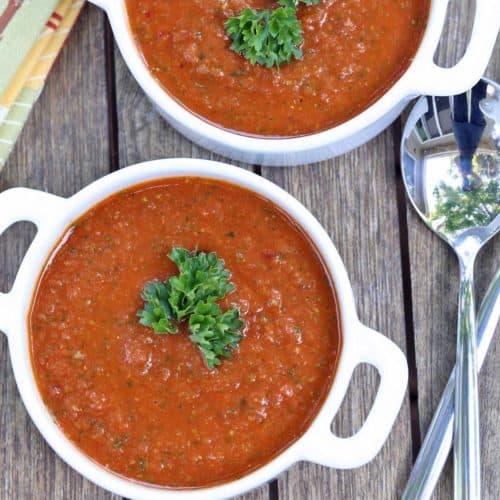
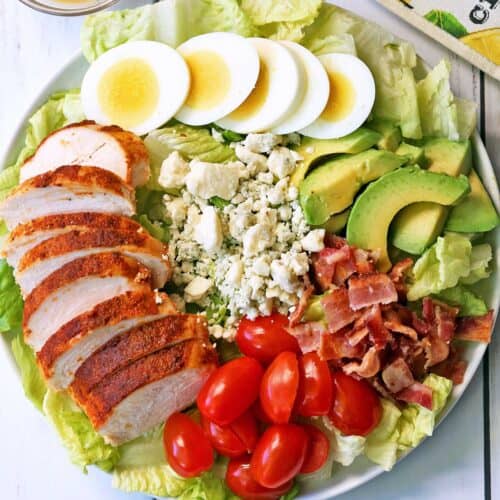
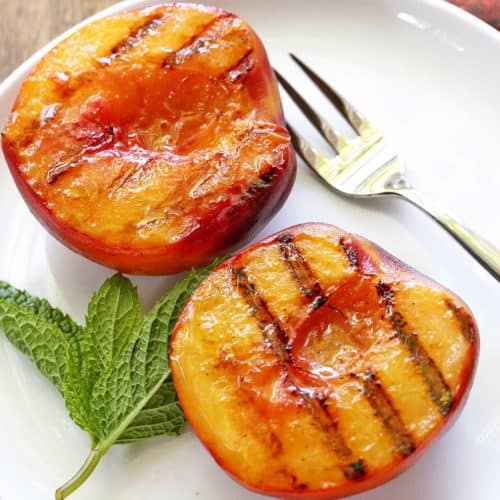
See more summer recipes →

Healthy Recipes Blog was founded in 2011 by Vered DeLeeuw. It features real food recipes focusing on low-carb and gluten-free ingredients. All recipes are nutritionally reviewed by a Registered Dietitian. You can contact us at HealthyRecipesBlog (at) gmail.com.
Popular Recipes
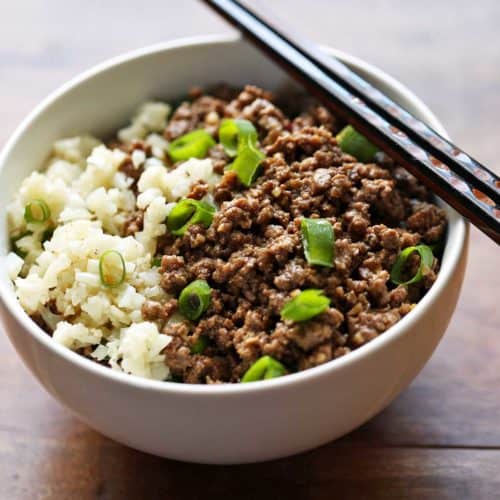
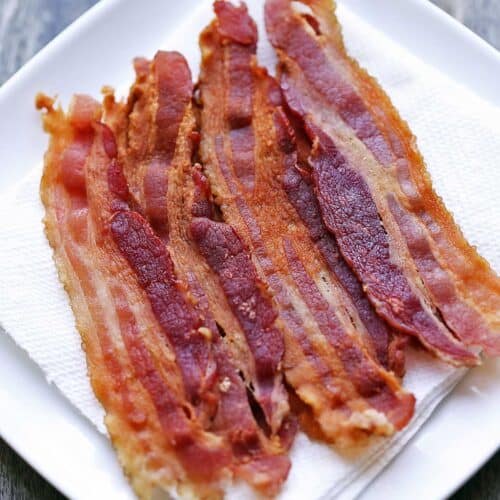
The most popular recipes on this site tend to be simple everyday recipes that you can easily whip up for a weeknight dinner. Check them out!
Low-Sugar Desserts
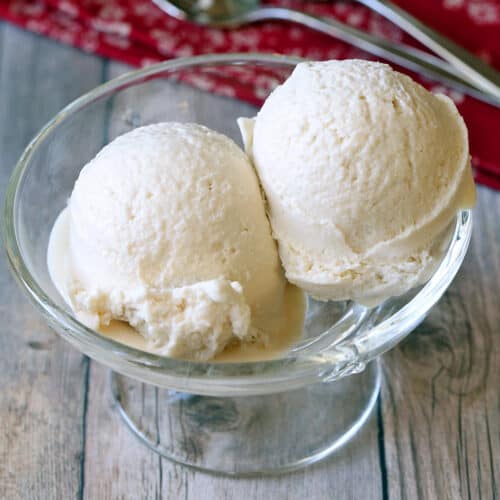
Everyone loves dessert, and having sweet options that fit a low-carb or gluten-free lifestyle makes it so much easier to stay on track without feeling deprived.
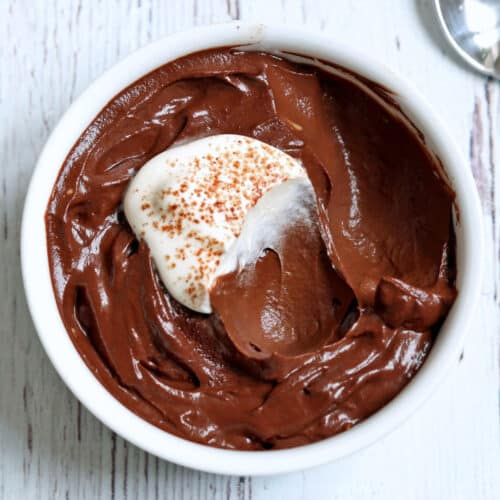

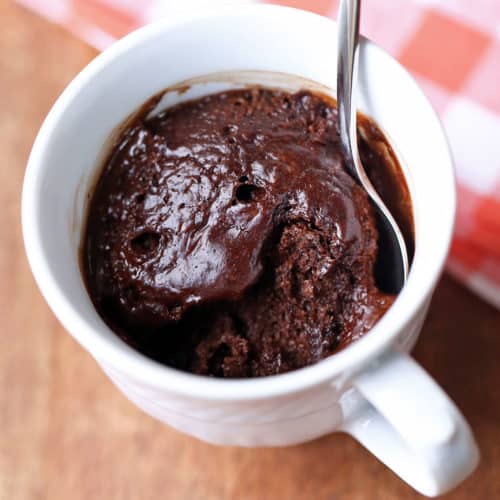


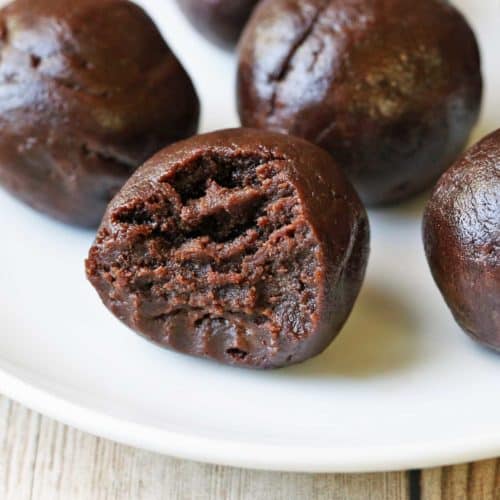
See more low-sugar desserts →
Search For A Recipe:
Browse the full recipe index →
Breakfast Recipes
I don't know if breakfast is truly the most important meal of the day... I just know that breaking my fast each morning is one of life's pleasures, and it's certainly my favorite meal. Here are a few of my top breakfast recipes:
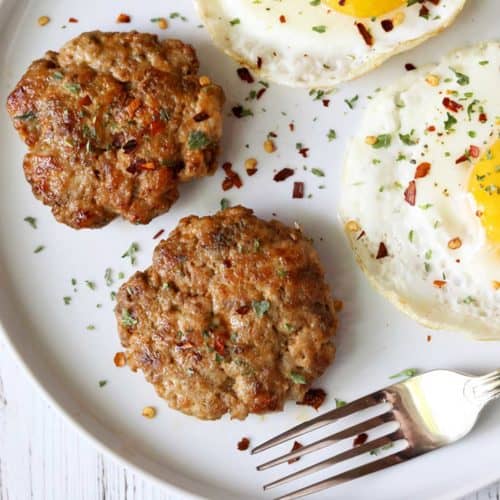


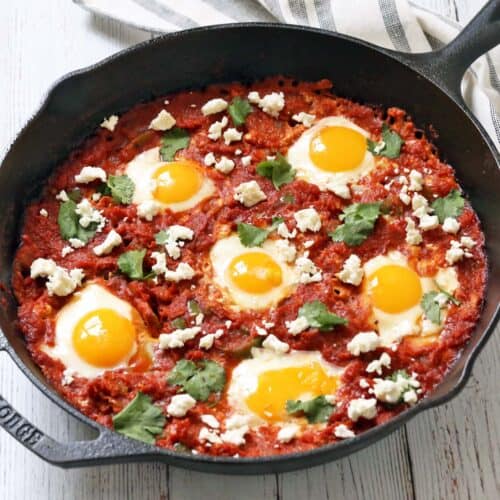

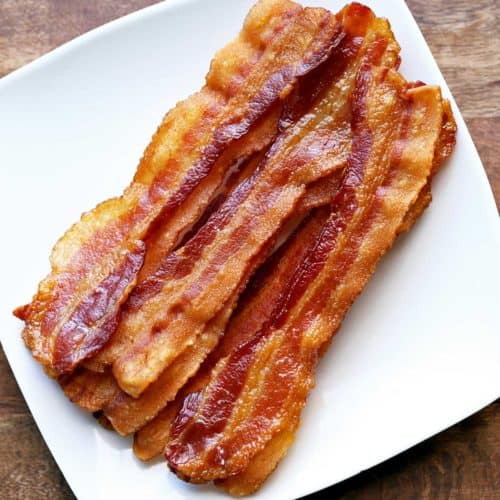
See more breakfast recipes →
Meaty Dishes
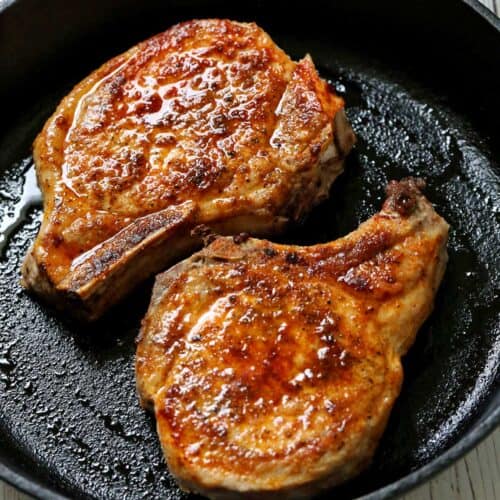
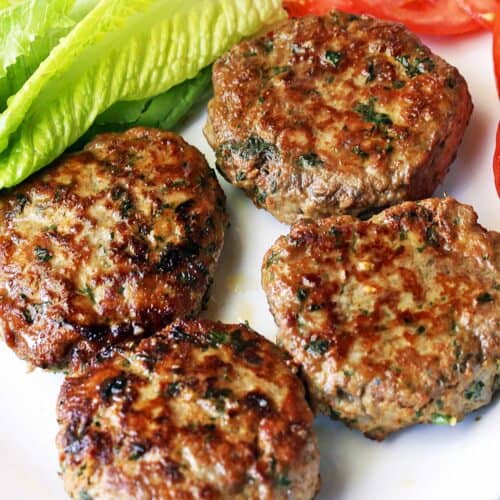
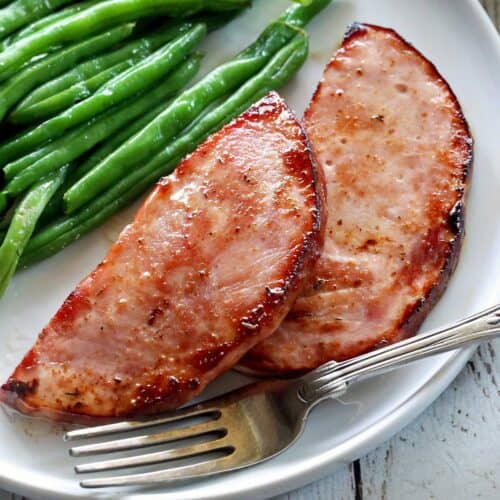
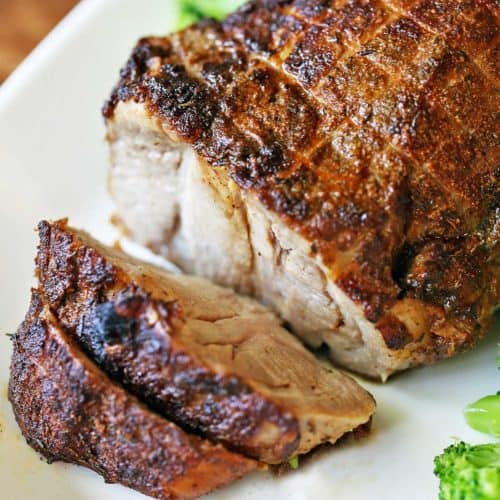
Whether beef, lamb, or pork, here you'll find my extensive collection of simple, easy-to-make meat recipes that the entire family will love.
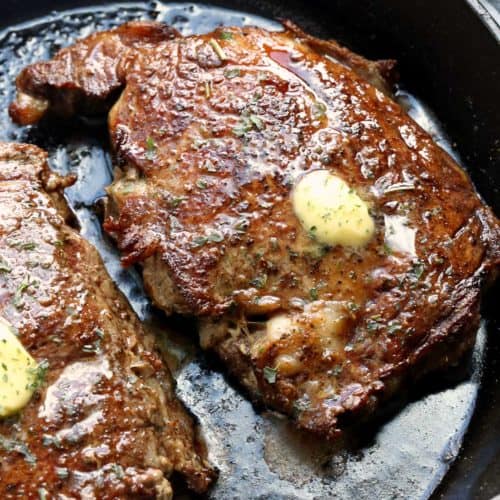
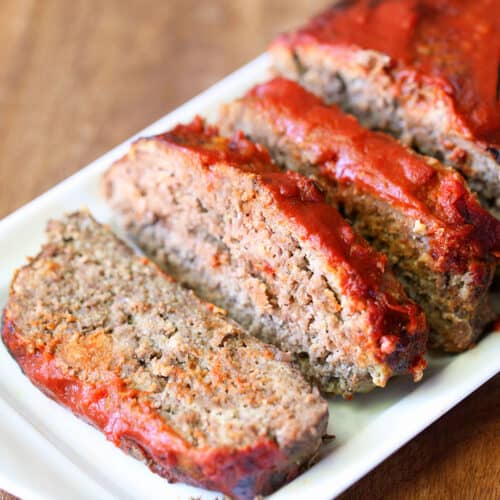
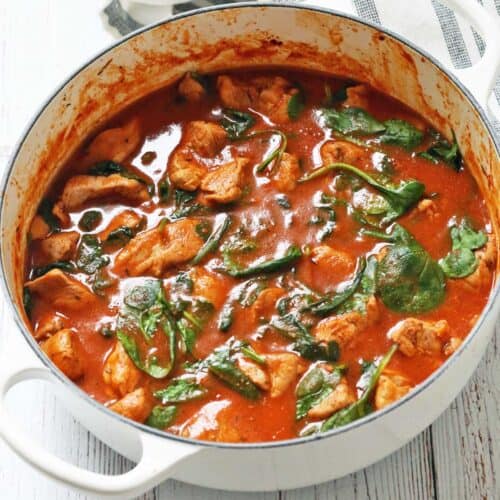
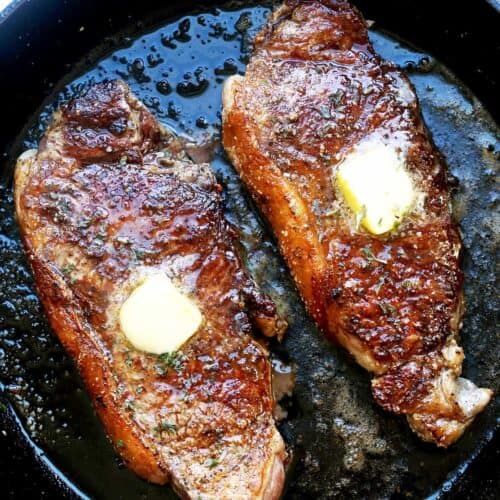
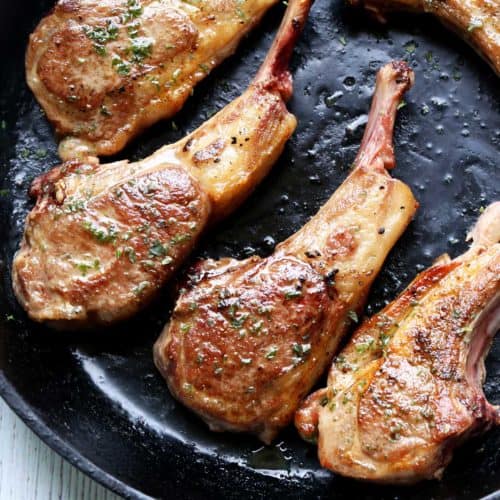
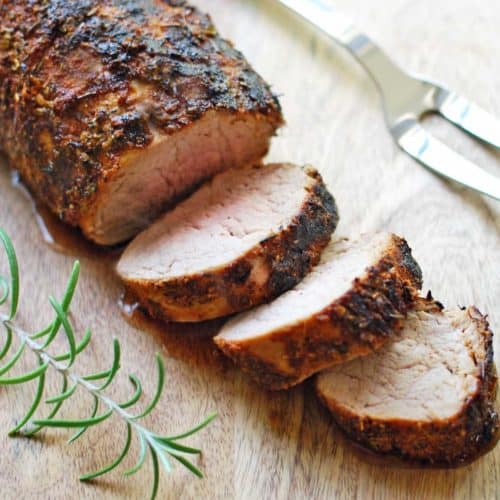
See more meat recipes →
Poultry Recipes
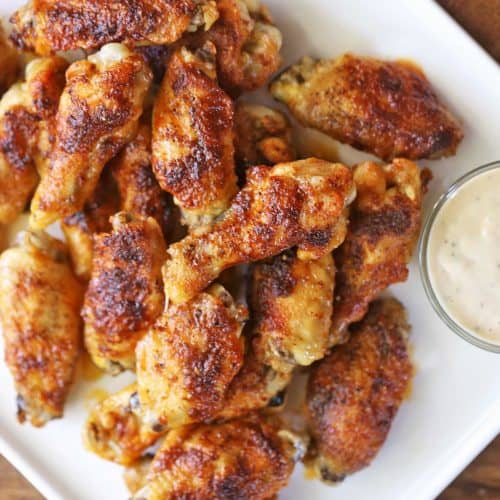
Chicken is tasty, affordable, and versatile. Here you'll find recipes for every cut, including chicken breasts, thighs, drumsticks, and wings. I've also included several turkey recipes for when you want a change of pace.
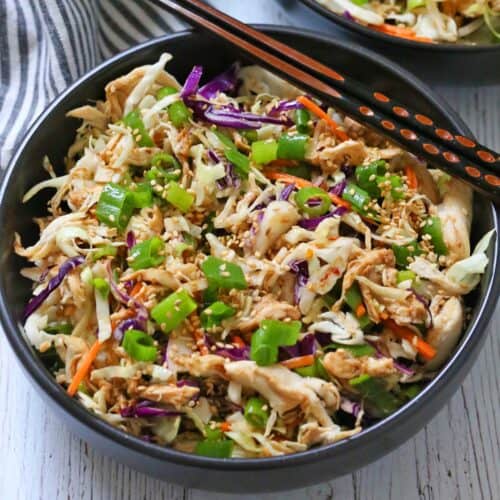
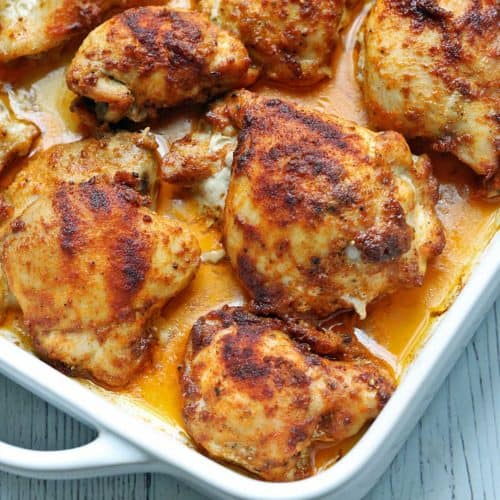
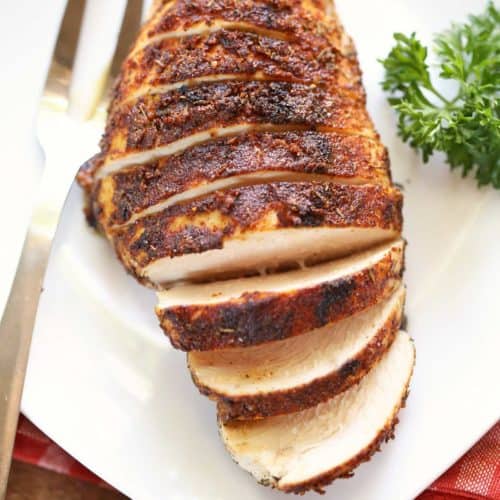
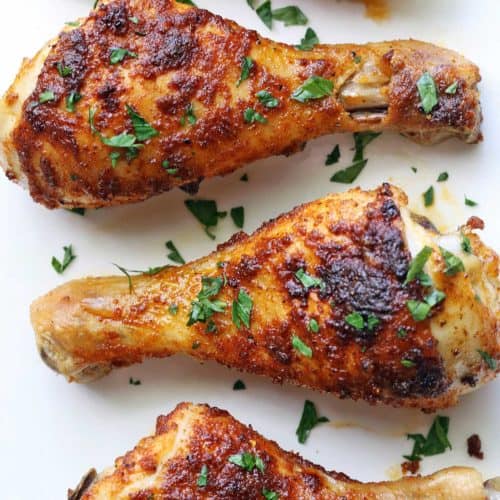
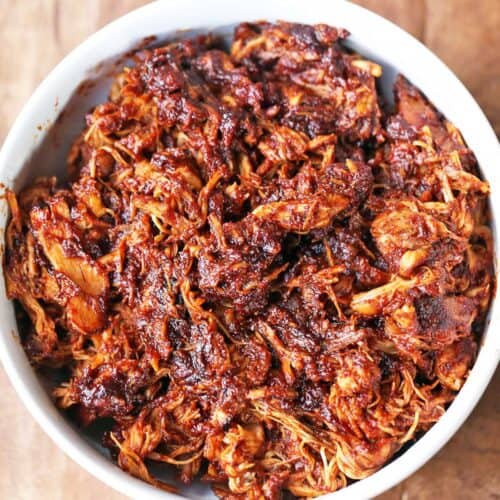
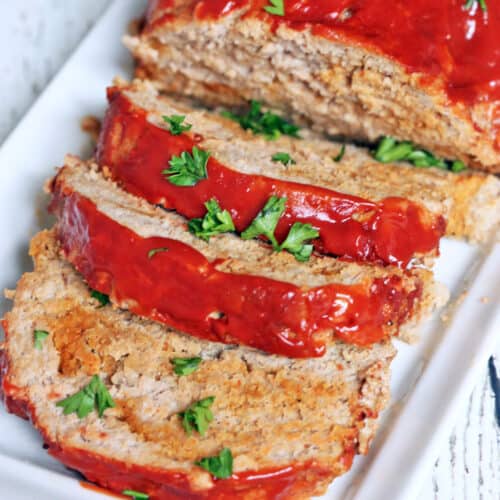
See more chicken recipes →
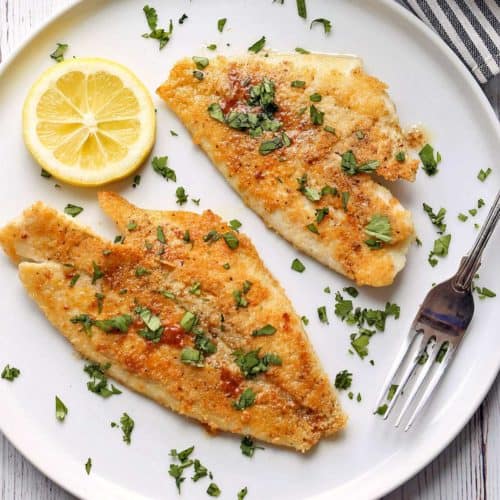
Fish and Seafood Recipes
It's easy to add more seafood to your diet with this collection of truly easy, beginner-level recipes that are nonetheless truly delicious!
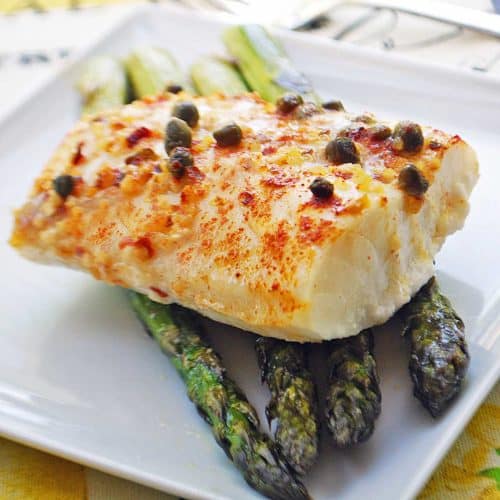
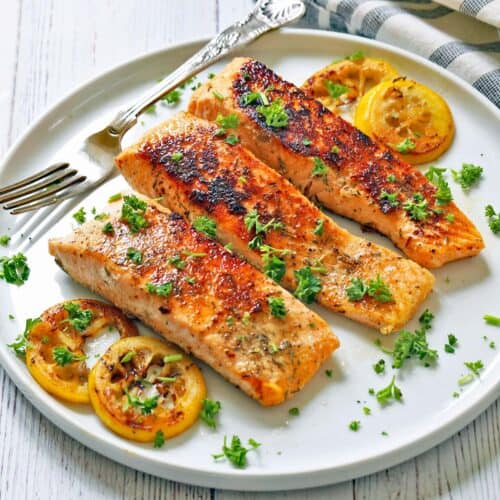
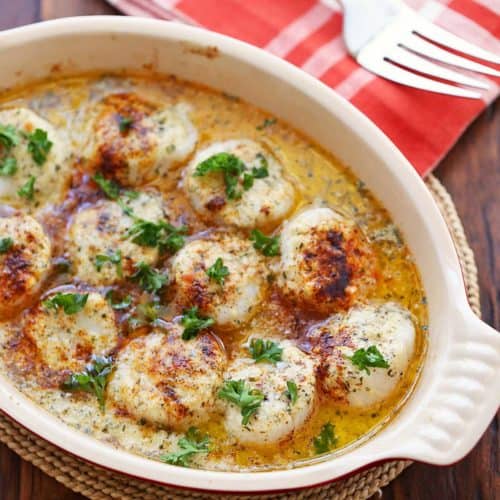
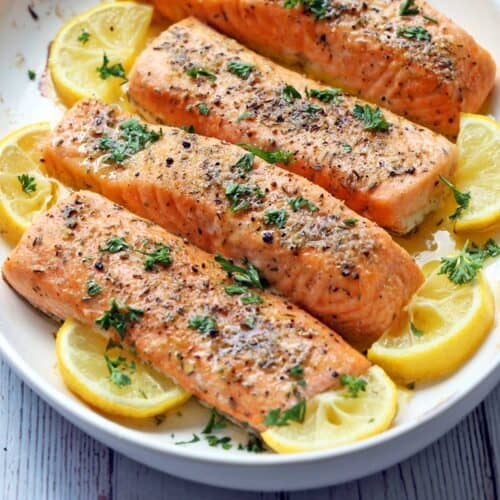
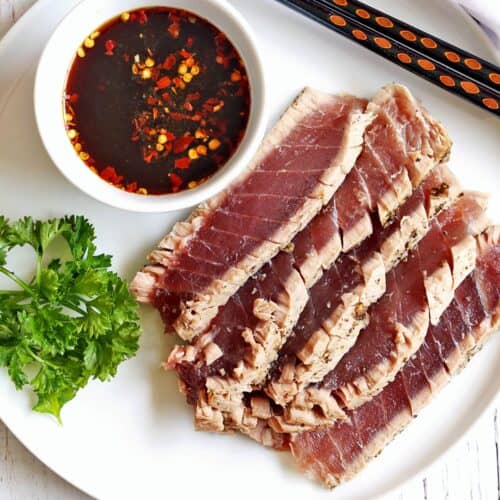
See more seafood recipes →
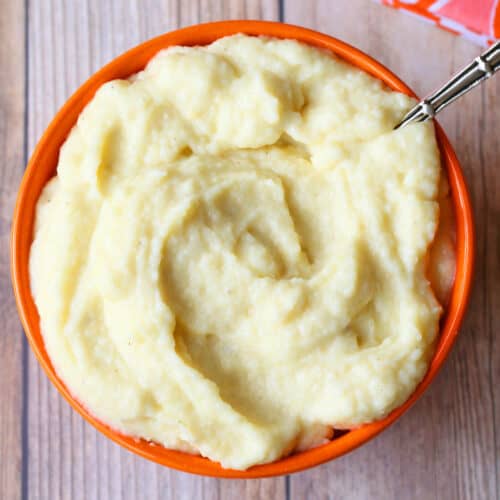
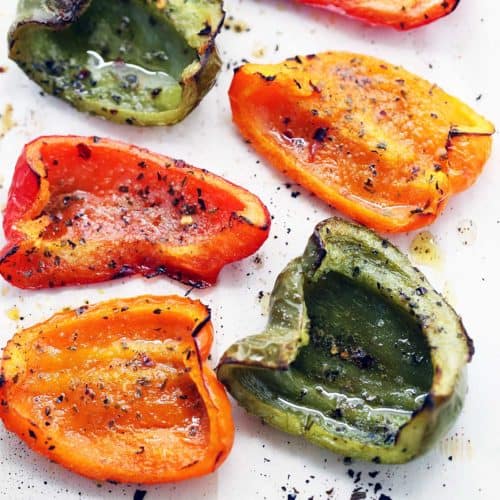
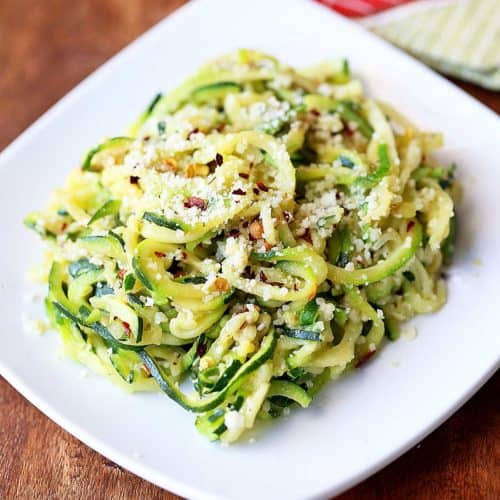
Vegetable Recipes
Like many others on a low-carb diet, I don't do starchy sides, so I often make two vegetable side dishes for our meals. Hence, the large selection of vegetable recipes on this website!
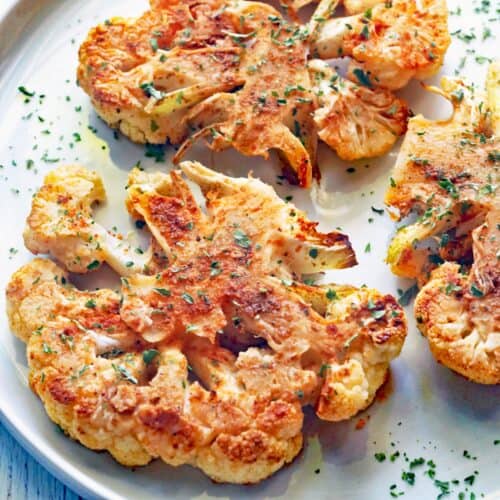
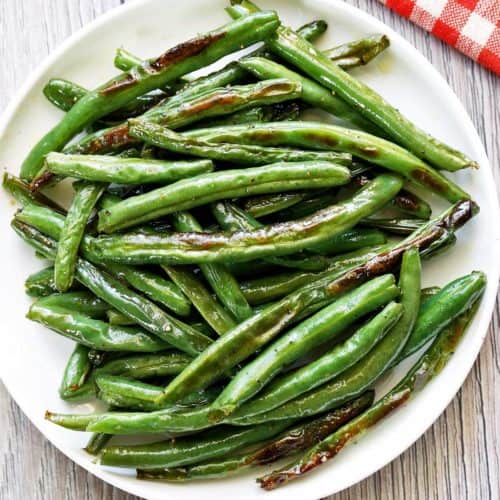
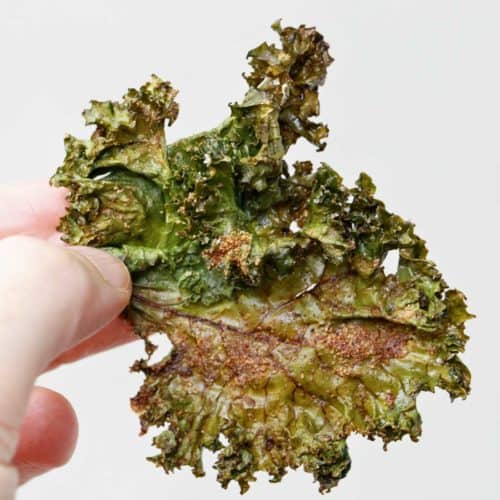
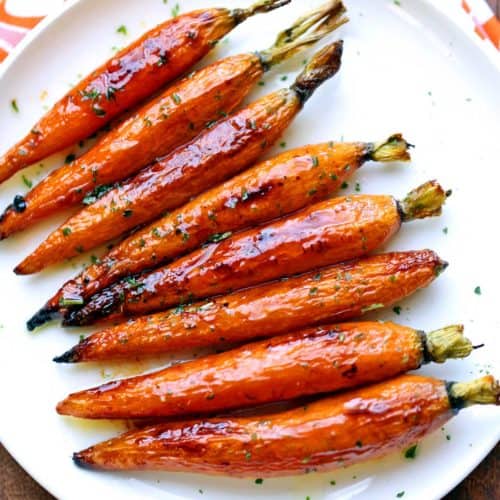
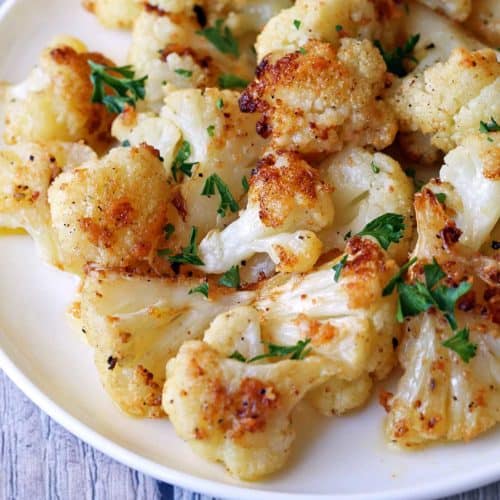
See more vegetable recipes →